

Article Summary: American type fire hydrant wrenches are essential tools for firefighters, municipal maintenance teams, industrial facility managers, and fire protection contractors who need reliable access to hydrant water supplies. The right wrench helps personnel operate compatible hydrant operating nuts and hose connections efficiently, reducing delays caused by unsuitable tools, poor fit, corrosion, or difficult working conditions. This guide explains how American-style hydrant wrenches work, which design features matter most, how to select the right tool for a specific hydrant system, and how inspection and maintenance can extend service life. It also covers common purchasing mistakes, workplace safety considerations, and practical questions buyers should ask suppliers before placing an order.
Whether you are equipping a municipal fire department, maintaining an industrial site, or sourcing tools for a fire protection equipment distributor, understanding these details can help you make a more dependable purchasing decision.
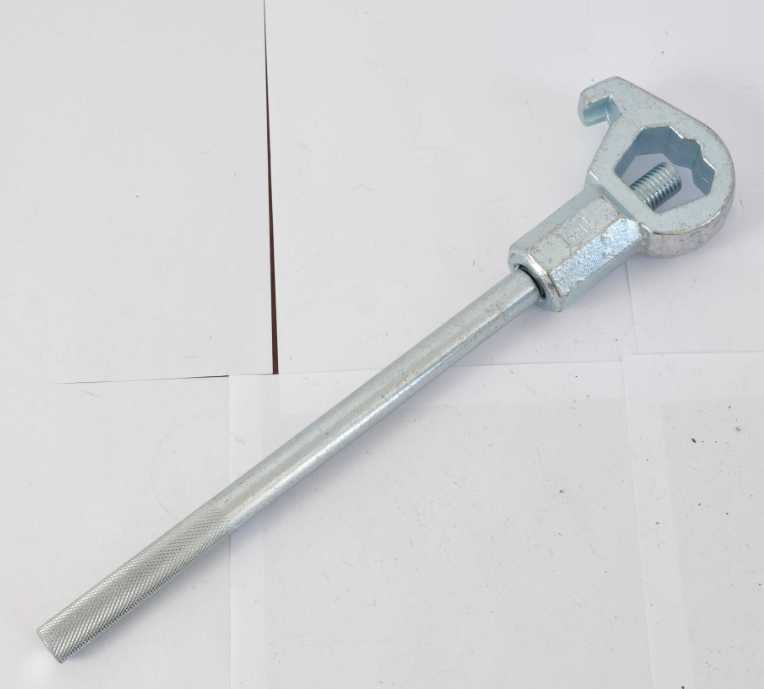
1. Understanding American Type Fire Hydrant Wrenches
Fire hydrants provide firefighters and emergency response teams with access to pressurized water supplies. However, opening a hydrant or connecting a hose often requires a purpose-designed wrench that fits the equipment's operating nut, outlet cap, or coupling. American type fire hydrant wrenches are designed around the connection and operating arrangements commonly encountered in American-style fire hydrant systems.
These tools are not necessarily identical across all manufacturers or municipalities. Hydrant operating nuts may differ in shape and dimensions, while hose outlets and connection standards can vary by installation. Consequently, the term "American type" should be treated as a useful starting point rather than a guarantee that one wrench will fit every hydrant in the United States.
What Does an American Type Hydrant Wrench Do?
Depending on its design, a hydrant wrench may serve one or more of the following purposes:
- Operating the hydrant: Applying controlled turning force to a compatible operating nut to open or close the valve.
- Removing outlet caps: Engaging compatible cap nuts so an authorized operator can access the discharge outlet.
- Supporting hose connections: Providing a suitable interface for certain hydrant outlet or hose coupling configurations.
- Routine inspection: Helping maintenance personnel access components during scheduled hydrant servicing.
Some wrenches are designed for a single function, while others incorporate multiple openings or working ends. Before selecting a multipurpose tool, verify that every intended working end matches the relevant equipment. A universal-looking design should never be assumed to fit all hydrants.
Who Uses These Tools?
Typical users include municipal fire departments, public water utilities, industrial emergency response teams, fire protection contractors, property maintenance departments, and distributors supplying firefighting equipment. Their priorities may differ: emergency responders often emphasize rapid access and dependable grip, while maintenance teams may focus on compatibility, durability, and standardized equipment inventories.
2. Why the Right Hydrant Wrench Matters
A hydrant wrench may appear simple, but its fit and construction can influence how reliably personnel access water infrastructure. An unsuitable tool can slip, damage a nut, make operation unnecessarily difficult, or create delays during an urgent response. Selecting a compatible wrench is therefore a practical part of fire equipment readiness.
Reducing Avoidable Operational Delays
When crews arrive at a hydrant, they should not need to search for an alternative tool or discover that the wrench opening is incompatible with the operating nut. Keeping the correct wrench with the assigned apparatus and verifying its fit during routine equipment checks can reduce avoidable problems.
For facilities with several hydrant models, documenting the required tool type at each location can further improve preparedness. Equipment managers should maintain a clear inventory that links each wrench to the hydrant models it is intended to operate.
Protecting Hydrant Components
A properly fitted wrench distributes force through the intended contact surfaces. By contrast, a loose or incorrectly shaped opening can concentrate force at a few points, potentially rounding edges or damaging the operating nut. Excessive leverage can also place unnecessary stress on hydrant components.
The goal is not simply to obtain the greatest possible turning force. It is to use a compatible tool that permits controlled operation within the equipment manufacturer's requirements.
Improving Equipment Readiness
Reliable tools support a broader maintenance system that includes hydrant inspections, accessible equipment storage, operator training, and documented service procedures. A durable wrench is valuable, but it cannot compensate for a seized hydrant, inadequate water pressure, a damaged valve, or an incorrectly maintained water supply.
3. Key Design Features to Evaluate
Although hydrant wrenches may have a straightforward appearance, small design differences can affect handling, compatibility, and service life. Buyers should evaluate the working end, handle geometry, construction quality, and ease of inspection before choosing a product.
Working-End Shape and Dimensions
The working end must match the specific nut or connection being operated. Depending on the application, it may use a square opening, a pentagonal opening, a hook-like profile, or another purpose-designed configuration. These shapes are not interchangeable by default.
Measure or confirm the target component's specifications rather than relying only on product photographs or broad descriptions. If the hydrant model is unknown, consult the water utility, equipment manufacturer, or responsible maintenance contractor before ordering.
Handle Length and Leverage
Handle length affects leverage, reach, storage, and operator control. A longer handle can provide greater turning leverage for the same applied force, but it also requires more storage space and may create clearance problems in confined areas. A compact wrench is easier to carry but may be less suitable for certain applications.
Choose a handle length that is appropriate for the hydrant design and the manufacturer's instructions. Do not extend a wrench with a pipe or other improvised attachment unless the tool manufacturer explicitly permits it.
Grip, Balance, and Handling
A well-designed handle should allow a secure grip and controlled movement. Smooth edges, appropriate handle thickness, and balanced construction can make routine operation more comfortable. Where personnel work in wet conditions, assess whether the surface remains manageable with the gloves required by the operating procedure.
Finish and Identification
A suitable protective finish can help reduce surface corrosion, while clear product identification simplifies inventory management. Depending on the intended environment, buyers may prefer coated steel, plated surfaces, or another finish specified by the manufacturer.
4. Common Types and Their Applications
Hydrant wrench categories can overlap, and product names vary among manufacturers. The most useful way to compare them is to examine the actual working geometry and intended application rather than relying exclusively on a category label.
| Wrench Category | Typical Application | Key Purchasing Consideration |
|---|---|---|
| Operating-nut wrench | Opening or closing a compatible hydrant valve | Exact operating-nut shape and dimensions |
| Hydrant cap wrench | Removing or tightening compatible outlet caps | Cap-nut profile, clearance, and fit |
| Combination hydrant wrench | Handling multiple compatible hydrant components | Verified compatibility of each working end |
| Compact service wrench | Routine maintenance and limited-space applications | Reach, handle control, and storage requirements |
| Heavy-duty hydrant wrench | Frequent professional use under demanding conditions | Material quality, structural integrity, and rated use |
This table describes general product categories rather than universal specifications. Actual features, approved uses, and compatibility depend on the particular model. A heavy-duty wrench is not automatically appropriate for every hydrant, and a combination wrench is useful only when its working ends match the components in service.
5. How to Choose the Right American Type Fire Hydrant Wrench
The most reliable purchasing decisions begin with the equipment the wrench must operate. Establishing the application first helps prevent wasted expenditure on tools that are difficult to use, incompatible, or unnecessarily specialized.
Step 1: Identify the Hydrant and Operating Nut
Record the hydrant manufacturer, model, operating-nut shape, and relevant dimensions. Where possible, consult the original equipment documentation. If you manage a mixed fleet of hydrants, prepare a list of the different models rather than assuming that all installations use the same hardware.
Step 2: Define the Required Functions
Determine whether the tool is needed for operating the main valve, removing outlet caps, handling a particular coupling, or performing several compatible tasks. A single-purpose wrench may be the most dependable and straightforward choice for a standardized application. A combination model may be more convenient where multiple verified functions are needed.
Step 3: Assess the Working Environment
Consider outdoor exposure, moisture, salt, dust, storage conditions, temperature variation, and the frequency of use. Municipal streets, coastal industrial sites, and sheltered equipment rooms may place different demands on protective finishes and maintenance schedules.
Step 4: Review Construction and Quality Information
Ask for the base material, manufacturing method where relevant, finish, dimensions, and available quality inspection documentation. For frequently used tools, consistent dimensions and sound construction are particularly important. Confirm that the product is intended for the forces and applications specified by the manufacturer.
Step 5: Verify Practical Fit Before Deployment
Where permitted, conduct a controlled fit check using the actual hydrant model or an appropriate sample component. The wrench should engage correctly without excessive looseness or interference. Complete this verification during planned maintenance, not during an emergency.
Step 6: Compare Total Value
Purchase price is only one factor. Consider expected service life, corrosion protection, warranty terms, availability of replacement tools, consistency across repeat orders, and the cost of maintaining multiple incompatible tool types.
- Confirm the hydrant model and operating-nut dimensions.
- Specify every required working end and connection type.
- Choose an appropriate handle length and overall size.
- Review material, finish, and intended service environment.
- Request dimensional drawings or product specifications.
- Confirm quality-control procedures and order consistency.
- Check packaging, delivery lead time, and warranty conditions.
- Arrange a controlled compatibility check before field deployment.
6. Materials, Durability, and Corrosion Resistance
Material selection affects a hydrant wrench's weight, strength, wear resistance, and suitability for outdoor storage. There is no single material that is automatically best for every application. Buyers should compare the properties of the actual product against its expected working conditions.
Steel Construction
Steel is commonly used for tools that require structural strength and resistance to mechanical loads. Its performance depends on the specific grade, dimensions, manufacturing quality, heat treatment where applicable, and protective finish. A thick-looking wrench is not necessarily stronger if its material or manufacturing quality is unsuitable.
Protective Coatings and Surface Treatments
Paint, plating, and other protective finishes can reduce corrosion under appropriate conditions. However, coating performance depends on the treatment process, coating thickness, surface preparation, and environmental exposure. Scratches and worn contact areas can expose the underlying material, so routine inspection remains necessary.
Weight Versus Strength
Weight affects portability and storage, especially when personnel carry multiple tools. Yet minimizing weight should not compromise structural integrity or the manufacturer's intended load capacity. Buyers should request verified product specifications rather than making decisions from weight alone.
| Evaluation Factor | Why It Matters | What to Confirm |
|---|---|---|
| Base material | Influences strength, weight, and wear | Material specification and intended use |
| Surface finish | Helps manage corrosion and surface deterioration | Finish type and maintenance requirements |
| Working-end geometry | Determines correct engagement with the component | Dimensions, tolerances, and compatibility |
| Manufacturing consistency | Supports repeatable fit across multiple tools | Inspection procedures and quality records |
7. Safe Operating and Maintenance Practices
Even a well-made wrench requires correct handling. Hydrant systems may contain pressurized water and components that are difficult to operate because of corrosion, damage, or internal mechanical problems. Personnel should follow the applicable fire department procedures, water utility requirements, and equipment manufacturer's instructions.
Before Using the Wrench
- Inspect the tool for cracks, bends, severe wear, loose components, or damaged working surfaces.
- Confirm that the wrench matches the intended hydrant component.
- Check the work area for traffic, unstable footing, obstructions, and other hazards.
- Wear the personal protective equipment required for the task.
- Follow authorized hydrant operation procedures and any applicable site restrictions.
During Operation
Position the wrench securely and apply controlled force in accordance with the equipment manufacturer's directions. Avoid sudden impacts, excessive force, or improvised extensions. If the component will not move normally, stop and follow the approved escalation procedure rather than forcing the tool.
Hydrant operation should be performed only by authorized personnel. Incorrect operation can damage water infrastructure, affect system performance, or create hazards for nearby people and property.
After Use
- Remove dirt and moisture using a cleaning method suitable for the material and finish.
- Inspect the working end and handle for deformation or damage.
- Allow the tool to dry before storing it in a suitable location.
- Apply maintenance products only where permitted by the manufacturer.
- Return the wrench to its assigned storage location and record any defects.
When Should a Wrench Be Replaced?
Replacement may be necessary when the working end no longer engages correctly, the handle is bent or cracked, significant material loss has occurred, or the tool shows damage that could compromise safe operation. Do not attempt to restore a damaged working end through unauthorized grinding, welding, or reshaping. Consult the manufacturer or replace the tool when its integrity is uncertain.
8. Common Purchasing Mistakes to Avoid
Assuming Every American-Style Hydrant Uses the Same Tool
Hydrant configurations differ among manufacturers, installations, and local requirements. Selecting a wrench solely because it is advertised as an American type can lead to a mismatch. Always verify the target dimensions and operating geometry.
Choosing Price Before Compatibility
A low purchase price may seem attractive, but a tool that slips, fits poorly, or wears prematurely can create additional costs. Compare the full specification and expected service life instead of treating price as the only selection criterion.
Ignoring the Working Environment
Tools stored outdoors or used in damp environments need appropriate corrosion management. Buyers should consider protective finishes, storage arrangements, and inspection frequency before choosing a product.
Overlooking Quality Documentation
Product photographs and brief catalog descriptions cannot establish every aspect of manufacturing quality. Ask suppliers for relevant drawings, material details, inspection information, and traceability records where required by your purchasing policy.
Ordering Without Clarifying the Specification
Ambiguous requests can result in incorrect dimensions, inconsistent batches, or misunderstandings about included accessories. A written specification with measurements, quantities, finish requirements, and intended use makes supplier communication more efficient.
9. What Buyers Should Confirm Before Ordering
For distributors, contractors, procurement teams, and organizations buying multiple tools, a structured inquiry can reduce errors and improve repeat-order consistency. Before requesting a quotation, prepare the following information.
- Application: Explain which hydrant models and components the wrench must operate.
- Dimensions: Provide operating-nut measurements, opening dimensions, handle length, and other relevant specifications.
- Materials: State material or finish requirements where the application calls for them.
- Quantity: Identify the initial order quantity and any anticipated repeat demand.
- Quality requirements: Describe applicable inspection, documentation, packaging, or traceability expectations.
- Delivery: Confirm destination, packaging preferences, lead time, and shipment arrangements.
- Customization: If a special profile, marking, or packaging format is required, provide a drawing or written specification for review.
Suppliers should be able to explain which specifications are standard, which require customization, and which details need additional confirmation. Buyers should also distinguish verified product characteristics from optional features or proposed modifications.
Working with a Supplier on Product Fit
Clear communication is particularly important when a wrench will be used with legacy hydrants or equipment from multiple manufacturers. Providing photographs alongside measured drawings can help explain the application, but photographs should supplement rather than replace dimensional information.
For repeat purchases, maintain an approved product specification and record the model or part number used at each location. This makes future procurement more consistent and reduces the risk of substituting a tool with a different working-end profile.
Where Beideli Fits into the Sourcing Process
When evaluating fire protection and related equipment suppliers, buyers should prioritize documented specifications, product suitability, clear communication, and dependable order coordination. Beideli can be included in the supplier inquiry process when its available product range and capabilities match the buyer's requirements. Before placing an order, confirm the specific product offering, technical details, and commercial terms directly with the company through its official information channels.
A transparent specification review helps both parties establish realistic expectations and reduces the likelihood of receiving tools that do not fit the intended hydrant system.
10. Frequently Asked Questions
1. What is an American type fire hydrant wrench?
It is a purpose-designed tool used to operate compatible fire hydrant components, such as operating nuts or outlet caps, in systems that use the relevant American-style configurations. Exact fit depends on the wrench design and the hydrant hardware.
2. Will one American type hydrant wrench fit every fire hydrant?
No. Hydrant operating nuts, outlet caps, and connections can vary. Buyers should confirm the actual dimensions and component geometry before purchasing or deploying a wrench.
3. What material is best for a fire hydrant wrench?
The best material depends on the intended load, portability requirements, working environment, and manufacturer specifications. Steel is commonly used for strength, while the appropriate protective finish can help manage corrosion. Compare verified product data rather than relying on material labels alone.
4. Are combination hydrant wrenches a good option?
They can be convenient when multiple working ends match the components used by the organization. However, a combination wrench should not be considered universal. Verify every intended function and confirm that the tool can be used safely in the available working space.
5. How can I determine the correct wrench size?
Check the hydrant manufacturer's documentation, measure the relevant operating nut or cap, and compare those dimensions with the supplier's drawing. If the configuration is uncertain, ask the equipment manufacturer or responsible water utility to identify the required tool.
6. How often should hydrant wrenches be inspected?
Inspection frequency should follow the organization's equipment policy, manufacturer guidance, and applicable operational requirements. At a minimum, inspect tools during scheduled equipment checks and after use in demanding conditions. Remove damaged or questionable tools from service until they have been assessed.
7. How should a hydrant wrench be stored?
Clean and dry the tool after use, check for damage, and store it in an assigned location that protects it from unnecessary moisture, contamination, and physical damage. Keep it accessible to authorized personnel while following the organization's equipment security procedures.
8. Can a damaged hydrant wrench be repaired?
Minor cleaning or maintenance may be possible when allowed by the manufacturer. A bent, cracked, severely worn, or improperly fitting wrench should be removed from service. Do not perform unauthorized structural repairs that could compromise tool integrity.
9. What information should I provide when requesting a quotation?
Provide the intended application, hydrant model, working-end dimensions, required material and finish, quantity, documentation needs, packaging requirements, and delivery destination. Drawings and measurements are particularly helpful for specialized or customized orders.
10. What should distributors consider when buying in bulk?
Distributors should review dimensional consistency, product identification, quality inspection procedures, packaging, lead times, and repeat-order availability. Establishing an approved specification before the first order can help reduce compatibility issues in later shipments.
Conclusion: Make Hydrant Readiness a Practical Priority
American type fire hydrant wrenches play an important role in maintaining access to fire protection water supplies. Choosing the right tool requires more than matching a product name to a catalog listing. Buyers should verify the operating-nut dimensions, intended functions, handle design, construction quality, corrosion protection, and suitability for the working environment.
Routine inspection, correct storage, authorized operation, and timely replacement of damaged tools also contribute to dependable equipment readiness. For organizations managing multiple hydrants or purchasing tools in volume, written specifications and documented compatibility checks are especially valuable.
By combining accurate product selection with consistent maintenance practices, fire departments, contractors, utilities, and distributors can reduce avoidable equipment problems and support more reliable hydrant operations.
Looking for the Right Fire Hydrant Wrench for Your Application?
Choosing a compatible tool starts with clear specifications and dependable supplier communication. Prepare your hydrant model, required dimensions, material preferences, and order quantity before discussing your needs with a supplier.
For product inquiries and sourcing discussions, visit Beideli's official company information page and contact the company to confirm its available products, technical specifications, and ordering requirements.
Need help clarifying your requirements? Contact us to discuss your application, review relevant specifications, and identify the information needed for a more accurate product inquiry.