

How Can Voice Training Valves Improve Your Vocal Health?
2026-05-14
Summary: Voice training valves are specialized medical devices designed to enhance vocal performance, improve lung capacity, and support long-term vocal health. This article explores their functionality, benefits, usage techniques, and common questions, helping professionals, singers, and patients address vocal challenges efficiently.
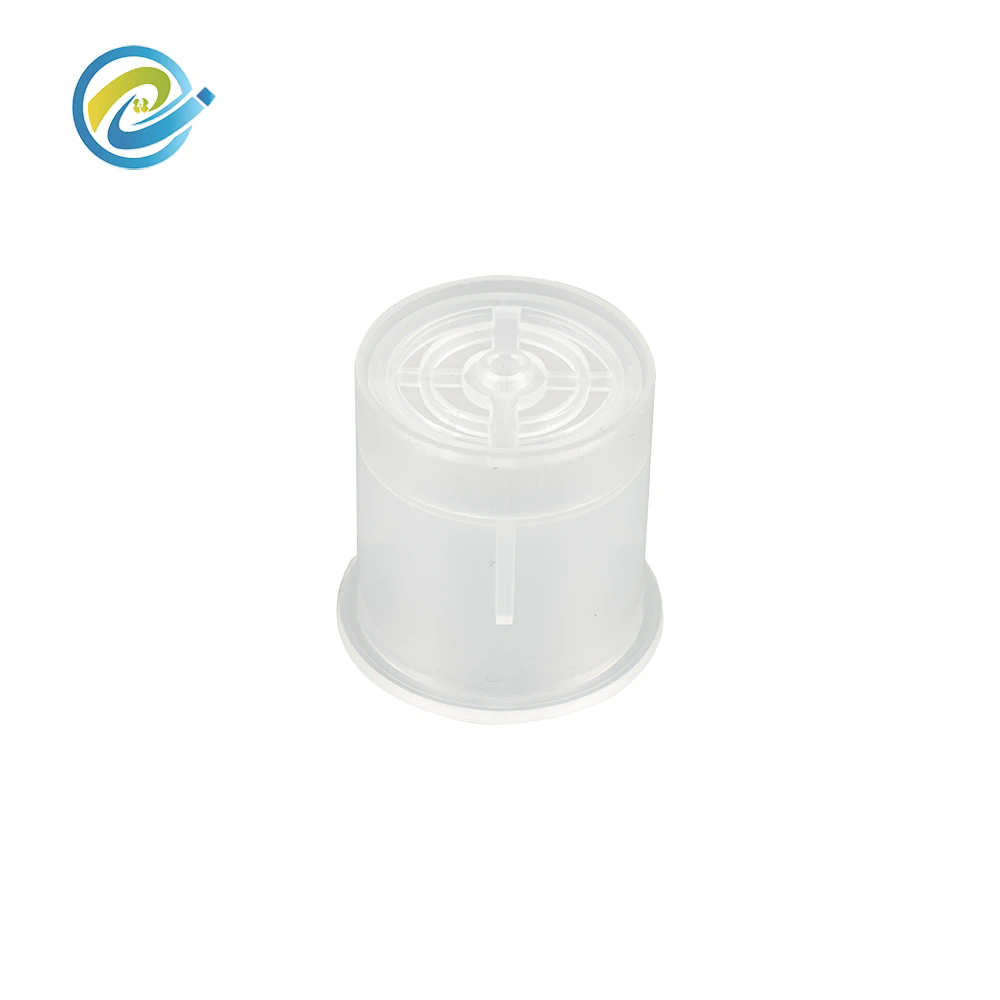
Table of Contents
- What Are Voice Training Valves?
- How Do Voice Training Valves Work?
- Why Use Voice Training Valves?
- Benefits of Voice Training Valves
- How to Use Voice Training Valves Effectively
- Common Issues and Solutions
- FAQ
- Contact Us
What Are Voice Training Valves?
Voice training valves are medical devices that help regulate airflow and pressure during vocal exercises. They are particularly useful for individuals who need to strengthen their diaphragm, improve breath control, or rehabilitate vocal cords after surgery or injury. By providing adjustable resistance, these valves allow users to perform controlled breathing exercises, which are critical for maintaining vocal health and enhancing performance.
Common types of voice training valves include:
- Adjustable airflow valves
- Resistance-controlled valves
- Portable vocal training devices
How Do Voice Training Valves Work?
Voice training valves function by creating resistance during inhalation and exhalation. This resistance forces the respiratory muscles, including the diaphragm and intercostal muscles, to work harder. Over time, this strengthens the respiratory system and improves control over vocal output.
Here is a simplified process of how these valves operate:
- Attach the valve securely to the mouthpiece or mask.
- Adjust the resistance setting according to your comfort and training level.
- Perform controlled breathing exercises, gradually increasing intensity.
- Monitor airflow and vocal strength improvements over time.
| Component | Function |
|---|---|
| Adjustable Valve | Controls airflow resistance for targeted training |
| Mouthpiece | Ensures a proper seal and comfortable use |
| Exhalation Port | Regulates airflow during breathing exercises |
Why Use Voice Training Valves?
Many individuals underestimate the importance of structured vocal training. Voice training valves provide measurable, repeatable exercises that can significantly improve vocal endurance and clarity. They are especially recommended for:
- Singers and performers who need consistent vocal strength
- Patients recovering from vocal cord surgery
- Professionals such as teachers and broadcasters who rely on voice endurance
By using voice training valves, users can:
- Reduce vocal fatigue
- Enhance breath support
- Prevent vocal cord damage
Benefits of Voice Training Valves
Using voice training valves consistently offers a variety of benefits for both professional and therapeutic purposes. These include:
- Improved Lung Capacity: The adjustable resistance encourages deeper and more controlled breathing.
- Enhanced Vocal Endurance: Strengthening respiratory muscles reduces fatigue during long periods of speaking or singing.
- Vocal Cord Protection: Proper airflow reduces strain, preventing injuries.
- Rehabilitation Support: Ideal for post-surgery or vocal injury recovery.
How to Use Voice Training Valves Effectively
To maximize the benefits of voice training valves, follow these practical steps:
- Start with low resistance and gradually increase as your strength improves.
- Maintain proper posture during exercises to allow full diaphragmatic expansion.
- Perform daily training sessions, ideally 10–20 minutes each, focusing on controlled breathing.
- Track progress by measuring airflow, vocal stamina, and comfort level.
For professional settings, Jianeng provides customized voice training valves that cater to individual needs, ensuring safe and effective results.
Common Issues and Solutions
While using voice training valves, users may encounter certain challenges:
| Issue | Possible Solution |
|---|---|
| Difficulty inhaling or exhaling | Adjust valve resistance or consult a professional for correct usage |
| Discomfort during training | Check the mouthpiece fit and ensure proper posture |
| Minimal improvement over time | Increase training frequency or resistance gradually |
FAQ
Q1: Can voice training valves be used by children?
A: Yes, Jianeng provides valves suitable for different age groups, but consultation with a specialist is recommended.
Q2: How often should I use a voice training valve?
A: Daily usage for 10–20 minutes is ideal for optimal results.
Q3: Are there risks of overtraining?
A: Overtraining can lead to fatigue or discomfort. Always start with lower resistance and increase gradually.
Q4: Can these valves be used alongside speech therapy?
A: Yes, they are often recommended as a complementary tool for vocal rehabilitation.
Contact Us
Jianeng is committed to providing top-quality voice training solutions. For professional guidance, personalized training valves, or bulk orders, contact us today and take the first step toward healthier, stronger vocal performance.