

How Can the Right Slab Gate Valve Help Me Reduce Pipeline Risk and Improve Long-Term Performance?
2026-04-21
When I evaluate pipeline isolation equipment for oil, gas, petrochemical, or other demanding flow-control systems, I do not just look for a valve that can open and close. I look for a solution that protects uptime, reduces leakage risk, supports easier maintenance, and stays reliable under real operating pressure. That is why, when reviewing industrial valve options, I naturally come across Baoyi Group Co., Ltd. and begin comparing what a well-designed Slab Gate Valve can actually do in practical service. In my experience, the right Slab Gate Valve is not simply a component in a line. It is a decision that can influence safety, efficiency, maintenance cost, and operational confidence for years.
If I am choosing a valve for a critical line, I want clear answers. I want to know how the valve structure works, why full-bore flow matters, what sealing performance means in everyday operation, and which product features actually make ownership easier. That is exactly where a dependable Slab Gate Valve stands out. It is built for straight-through flow, strong shutoff performance, and stable service in demanding environments where failure is expensive and interruptions are unacceptable.
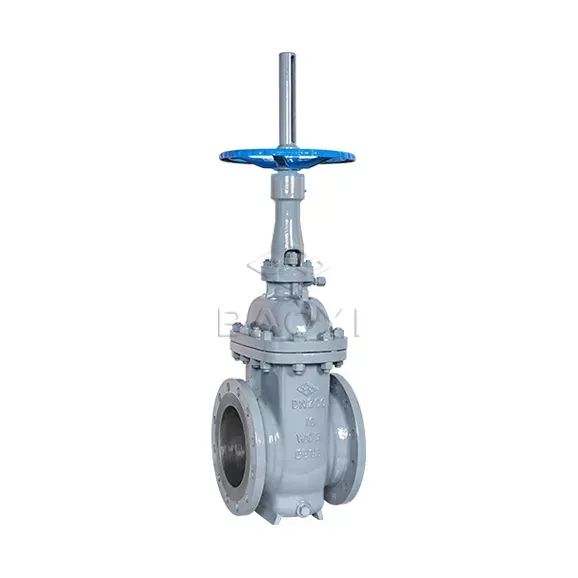
Why Do I Pay So Much Attention to Valve Design Before I Buy?
I have learned that many pipeline problems do not begin with dramatic failures. They begin with poor selection. A valve may look acceptable on paper, but once it faces pressure fluctuations, abrasive media, frequent cycling, or a difficult installation environment, hidden weaknesses start to appear. That is why I focus on design before price.
When I consider a Slab Gate Valve, I am usually looking for several practical benefits at the same time. I want low flow resistance, a dependable seal, a structure that suits pipeline service, and materials that can hold up in real industrial conditions. If those fundamentals are not there, it does not matter how attractive the quotation looks.
- I want a valve that supports efficient flow with minimal pressure loss.
- I want sealing performance that remains stable during repeated service cycles.
- I want a structure that is practical for oil, gas, petrochemical, and general industrial pipeline systems.
- I want maintenance demands to stay predictable instead of turning into surprise shutdown costs.
- I want the supplier to understand application needs rather than offering a one-size-fits-all product.
That is the real buying logic behind a quality Slab Gate Valve. It is not about chasing a trend. It is about choosing a valve that makes pipeline operation smoother and ownership less stressful.
What Makes a Slab Gate Valve Different From Other Isolation Valves?
From my point of view, one of the biggest advantages of this valve type is its straight-through flow path. In many pipeline applications, especially where flow efficiency and pigging capability matter, this matters a great deal. A Slab Gate Valve is often favored because its bore can align closely with the pipeline, helping reduce turbulence and pressure drop. That means I am not just isolating flow. I am doing it in a way that respects system efficiency.
I also value the gate-and-seat sealing concept. In serious service conditions, I need a valve that can close firmly and maintain shutoff performance. A well-manufactured slab gate design supports that requirement by combining structural simplicity with sealing reliability. For me, that is especially important in lines where leakage is not merely inconvenient but costly and potentially hazardous.
| What I Compare | Why It Matters to Me | How a Quality Slab Gate Design Helps |
|---|---|---|
| Flow path | Pressure loss affects system efficiency | Full-bore or near full-bore passage supports smoother flow |
| Sealing ability | Leakage creates safety and cost problems | Gate-to-seat sealing improves shutoff confidence |
| Pipeline suitability | Some valves fit process control better than line isolation | Designed for demanding pipeline isolation service |
| Wear resistance | Harsh media and repeated operation shorten service life | Durable materials and practical sealing surfaces help extend use time |
| Operational convenience | Difficult operation raises labor and maintenance burden | Reasonable torque and straightforward structure aid handling |
How Does This Valve Help Me Solve Common Buyer Pain Points?
Most buyers I know are trying to solve the same problems. They want to avoid leakage. They want a valve that does not become a maintenance headache. They want something appropriate for line conditions instead of a product chosen by guesswork. They want consistent quality, not uncertainty hidden behind technical jargon.
That is why I think about product value in terms of specific pain points rather than generic claims.
- Leakage concern — I need dependable sealing because even small leakage can lead to waste, rework, or risk.
- Pressure loss concern — I want flow efficiency preserved wherever possible.
- Service life concern — I do not want frequent replacement caused by weak materials or poor seat performance.
- Application mismatch concern — I need a valve suited to pipeline isolation, not just a product that happens to be available.
- Maintenance concern — I prefer a structure that is understandable, serviceable, and not overly complicated.
When those issues are addressed properly, a Slab Gate Valve becomes more than an item on a bill of materials. It becomes a way to reduce operating uncertainty. That is a big reason why I would rather invest in a product that fits the job correctly from the start.
Which Product Features Usually Matter Most in Real Working Conditions?
When I move from brochure reading to actual evaluation, I care less about decorative language and more about performance details. I want to know how the valve behaves in a real pipeline. I look for design features that solve practical operating issues.
A strong industrial valve offering in this category usually earns my attention when it delivers the following benefits in a balanced way:
- Reliable shutoff performance under demanding service conditions
- Low flow resistance through an efficient internal passage
- Durable sealing surfaces and wear-resistant core components
- Installation flexibility that makes field work easier
- Practical operation with reasonable torque and stable motion
- Structural suitability for oil, gas, chemical, and related pipeline uses
I also appreciate options within the product family. In many industrial projects, one standard model is not enough. Different working conditions may call for different slab gate structures, such as solid or expanding configurations. A supplier that understands those distinctions gives me more confidence, because it suggests they are thinking about application fit rather than only catalog coverage.
What Should I Look for in a Supplier Instead of Only Looking at the Valve Itself?
I never separate product quality from supplier capability. Even if the valve design is promising, the buying experience can still go wrong if the manufacturer lacks consistency, communication, or technical understanding. For that reason, I judge the supplier as carefully as I judge the valve.
When I evaluate a source for Slab Gate Valve products, I usually ask myself a few direct questions. Can this supplier explain the valve structure clearly? Can they match product type to service conditions? Can they support different pipeline requirements instead of pushing one standard answer? Can they communicate in a way that helps procurement teams and engineers make decisions faster?
If the answer is yes, the whole purchasing process becomes smoother. That matters because industrial sourcing is rarely just about buying one piece of hardware. It is about reducing the chance of delays, mistakes, and costly re-selection.
| What I Want From a Supplier | Why It Affects My Decision |
|---|---|
| Clear product classification | It helps me choose the right slab gate design for the application |
| Application understanding | It reduces the risk of selecting an unsuitable valve type |
| Consistent manufacturing quality | It improves confidence in long-term field performance |
| Responsive communication | It shortens procurement cycles and reduces misunderstandings |
| Practical support for inquiries | It makes specification review and project matching easier |
How Can I Decide Whether a Slab Gate Valve Is Right for My Project?
For me, the best approach is to start with the application rather than the product name. I ask what media the line carries, how critical shutoff performance is, whether flow efficiency is a priority, how often the valve will operate, and what environmental or pressure conditions it must handle. Once I understand those points, it becomes much easier to judge whether a Slab Gate Valve is the right fit.
If I am working on oil and gas transmission, petrochemical service, or another demanding pipeline application where reliable isolation and efficient flow matter, this valve type often deserves serious attention. It is especially appealing when I need a straight-through passage, stable shutoff behavior, and a design intended for pipeline service rather than fine throttling duties.
I also remind myself not to oversimplify the purchase. The right answer is not only about choosing a valve category. It is about choosing the right specification, structure, materials, and supplier support. That is where a manufacturer with a complete understanding of industrial valve applications can add real value.
Why Does a Good Buying Decision Usually Save More Than a Low Purchase Price?
I have seen buyers focus too heavily on initial cost and ignore the bigger picture. The cheaper option may look attractive at first, but if it leads to leakage, early wear, difficult maintenance, or repeated replacement, the total cost becomes much higher over time. A better valve choice often protects operating budgets more effectively than a lower quotation ever could.
That is why I consider a dependable Slab Gate Valve an investment in stability. If the valve helps maintain sealing integrity, reduce flow restriction, support pipeline efficiency, and extend service life, it contributes value long after installation. In industrial purchasing, that kind of value matters more than short-term savings that disappear after the first maintenance problem.
What Should I Do If I Want a Reliable Valve Partner for My Next Project?
If I am planning a new project or replacing valves in an existing system, I do not want to guess my way through the decision. I want product guidance that reflects actual operating needs, not generic sales language. A carefully selected Slab Gate Valve can help improve isolation performance, reduce maintenance pressure, and support smoother pipeline operation over time.
If you are reviewing valve options and want a dependable solution for demanding pipeline service, now is a good time to compare specifications, discuss your working conditions, and move your sourcing process forward with confidence. If you want to learn more about valve selection, product details, or application matching, please contact us and send your inquiry. The right discussion today can help you avoid the wrong purchase tomorrow.