

How Can the Right Check Valve Improve Flow Reliability in Modern Piping Systems?
2026-04-15
When I evaluate fluid control performance in demanding pipelines, I keep coming back to one component that quietly protects the whole system: the Check Valve. In many real-world applications, I have seen how backflow, pressure fluctuation, and sudden shutdown events can create avoidable maintenance costs. That is why manufacturers and buyers often pay closer attention to dependable non-return solutions. While reviewing options in this space, I found that Tianhong Valve Technology (Quanzhou) Co., Ltd. presents a practical product direction for projects that require stable one-way flow control, durable construction, and better long-term pipeline protection.
For many buyers, the challenge is not understanding what a valve does in theory. The challenge is choosing a solution that works consistently under changing operating conditions. A well-designed Check Valve helps me reduce reverse flow risks, protect pumps, improve system safety, and lower unnecessary downtime. In this article, I will explain what buyers should really care about, where common pain points come from, and why the right product design can make daily operation much easier.
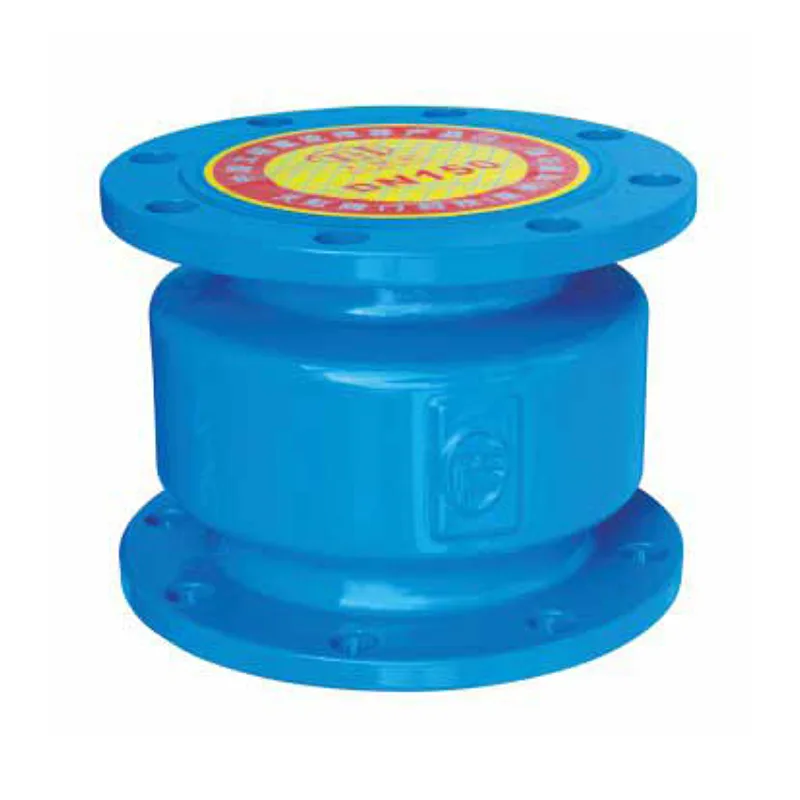
What Makes a Check Valve So Important in Daily Operations?
I often notice that buyers focus heavily on pumps, actuators, or major line equipment, while the non-return valve is treated like a small accessory. In practice, that is a mistake. A Check Valve acts like a silent safeguard inside the system. It allows media to move in one direction and helps stop reverse movement when flow conditions change.
This matters because reverse flow can do more damage than many people expect. It can disturb system pressure, strike sensitive equipment, shorten pump life, and increase maintenance frequency. If I am working on water treatment, municipal supply, industrial transfer, HVAC, fire protection, or general process piping, I want confidence that the line remains stable even when the operating rhythm changes suddenly.
- I rely on it to reduce backflow risk
- I use it to help protect downstream and upstream equipment
- I count on it to support cleaner and more controlled flow behavior
- I value it because it can reduce labor spent on reactive maintenance
- I appreciate it when it helps lower shock and noise during line transitions
That is the real value. The component may look simple, but the operational influence is anything but small.
Why Do Buyers Struggle to Choose the Right Valve?
From my experience, buyers are rarely short on options. They are short on clarity. The market is full of products that look similar in photos and catalogs, yet perform very differently once installed. Many purchasing teams are trying to balance price, delivery time, pressure rating, installation method, media compatibility, and long-term reliability all at once.
Here are the most common concerns I see during selection:
- Will the valve close fast enough to control reverse flow without causing unnecessary shock?
- Can it handle continuous service in water, wastewater, or industrial media?
- Will the internal structure wear too quickly under repeated opening and closing cycles?
- Is the pressure loss acceptable for the target system?
- Will installation and future maintenance stay manageable for the team on site?
When I compare suppliers, I do not just look for a generic non-return device. I look for a valve designed around real operating problems. That usually means a stronger focus on sealing reliability, smoother closure, lower resistance, durable materials, and product configurations suited to the actual application rather than a one-size-fits-all pitch.
Which Product Features Actually Solve Buyer Pain Points?
If I want to judge whether a valve will be useful in the field, I pay attention to how its design translates into practical benefits. That is where product value becomes clearer. A good valve should not only stop reverse flow. It should do that job with consistency, efficiency, and minimal disruption to the overall system.
| Buyer Concern | What I Look For | Why It Matters |
| Backflow damage | Reliable one-way sealing performance | Helps protect pumps, pipelines, and connected equipment |
| Water hammer risk | Smoother and more controlled closing behavior | Reduces impact on the system during flow reversal |
| Energy efficiency concerns | Reasonable flow path and lower resistance design | Supports better operating efficiency over time |
| Maintenance pressure | Durable body materials and wear-resistant internal parts | Helps reduce service interruptions and replacement frequency |
| Different media conditions | Application-specific structure and sealing options | Improves suitability for water supply, drainage, and industrial lines |
I also pay close attention to how the valve behaves under actual pressure changes. A product can sound impressive in simple sales language, but what matters to me is whether it remains dependable when the pipeline starts, stops, surges, or runs continuously for long periods.
How Can I Match the Right Check Valve to the Right Application?
I never recommend choosing by price alone. I prefer matching valve type and structure to the application environment. That decision usually improves reliability far more than chasing a small cost difference at the purchasing stage.
For example, if I am dealing with municipal water systems, drainage networks, or pump discharge lines, I want a design that supports dependable closure and reasonable maintenance intervals. If I am working in an industrial setting with changing pressure conditions, I focus more on structural strength, sealing performance, and service stability.
Here is the way I usually think through the selection process:
- I confirm the media type and whether it is clean water, wastewater, or industrial fluid
- I check working pressure, temperature expectations, and line size
- I review whether the system is especially sensitive to reverse shock or pressure fluctuation
- I decide whether lower head loss is a major priority
- I consider installation space, orientation, and future service access
When I see a supplier offering multiple structural options instead of pushing only one standard format, that usually gives me more confidence. It suggests the manufacturer understands that different systems have different operational realities.
Is Product Durability Still One of the Biggest Buying Factors?
Absolutely. In many projects, durability is not just a technical preference. It is a budgeting issue. If I choose an unreliable valve, the real cost appears later in the form of maintenance labor, replacement parts, shutdown risk, and frustrated end users.
This is why I pay attention to body material strength, sealing quality, internal wear resistance, and whether the design supports stable service under repeated cycles. A dependable Check Valve should help me avoid the constant pattern of install, leak, repair, replace, and repeat.
I also think durability has a direct impact on buyer reputation. If I am a distributor, contractor, or system integrator, the components I select reflect on my own business. A stable valve can support smoother project delivery, stronger client trust, and fewer after-sales headaches.
| Selection Factor | Short-Term View | Long-Term View |
| Purchase cost | Looks attractive at first | May become expensive if replacement is frequent |
| Material quality | Often overlooked | Directly affects service life and stability |
| Sealing performance | May seem adequate on paper | Becomes critical in continuous operation |
| Maintenance demand | Sometimes underestimated | Strongly affects labor cost and downtime |
| Operational reliability | Harder to measure before use | Often the true reason one supplier outperforms another |
What Should I Expect from a Reliable Manufacturing Partner?
When I source valves for a real project, I do not only evaluate the product. I also evaluate the supplier mindset behind it. A reliable manufacturer should understand technical requirements, communicate clearly, and support buyers with practical information instead of vague promises.
I usually expect the following:
- Clear product specifications and sizing support
- Consistent manufacturing quality
- Responsiveness during quotation and technical discussion
- Customization flexibility for project-specific needs
- Stable supply capacity for repeated or bulk orders
This is one reason manufacturers with a focused valve portfolio tend to stand out. They are often better positioned to understand details like backflow control, structural selection, installation needs, and application compatibility. When I review product direction associated with Tianhong Valve Technology (Quanzhou) Co., Ltd., the broader message is practical rather than flashy: build valve solutions that answer real pipeline demands and make sourcing decisions more straightforward for buyers.
How Do I Know If a Check Valve Will Add Real Project Value?
I ask a simple question: will this product make the system safer, steadier, and easier to manage over time? If the answer is yes, then the valve is doing more than filling a line item in a bill of materials. It is contributing to project performance.
A strong Check Valve can add value in several ways:
- It helps keep fluid moving in the intended direction
- It supports system protection during shutdowns or pressure changes
- It reduces the chance of damage caused by reverse flow events
- It can contribute to quieter and smoother operation
- It helps buyers think beyond upfront cost and focus on usable lifecycle value
That is why I believe valve selection should be treated as a performance decision, not just a purchasing exercise. The right model, the right material choice, and the right supplier support can shape the reliability of the whole system.
What Should Buyers Remember Before Making a Final Decision?
If I had to give one piece of advice, it would be this: do not buy a valve based only on appearance, headline price, or generic wording. Look at the operating problem you need to solve. Then choose a Check Valve that is aligned with flow direction control, pressure behavior, durability expectations, and maintenance realities.
In my view, a product earns attention when it supports safer operation, practical efficiency, and dependable service across real conditions. Buyers who take time to compare structure, sealing behavior, material quality, and supplier responsiveness usually end up with better long-term results. That is exactly why it makes sense to explore solutions from manufacturers such as Tianhong Valve Technology (Quanzhou) Co., Ltd. when stable flow control and application-focused product selection matter.
If you are comparing valve options for water systems, municipal projects, industrial transfer lines, or pump protection applications, now is the right time to narrow down a better-fit solution. Please contact us for product details, technical support, and quotation assistance. A dependable Check Valve can make a measurable difference in your system, and your next inquiry could be the first step toward a more reliable pipeline solution.