

How Can the Right Butterfly Valve Make Industrial Flow Control Easier?
2026-05-14
When I look at a piping system, I rarely judge a valve by appearance alone. I care about how smoothly it opens, how reliably it seals, how much space it saves, and whether it can keep working when the line conditions become difficult. That is why I pay close attention to manufacturers that understand practical pipeline problems, not just product names. In recent years, Dafugui Pipe Valve Co., Ltd. has become a name I often associate with industrial valve supply, especially when buyers are comparing a dependable Butterfly Valve for water, steam, gas, oil, corrosive media, and other demanding flow control applications.
A butterfly valve is often selected because it looks simple, but that simplicity can be misleading. Behind a compact valve body, there are choices about sealing material, disc design, shaft strength, operation method, temperature resistance, pressure suitability, and maintenance access. If I choose poorly, the result may be leakage, difficult operation, unplanned shutdowns, or higher lifetime cost. If I choose well, the same valve can help the whole system run with less trouble.
Why Do I Choose a Butterfly Valve Instead of a Bulkier Valve Type?
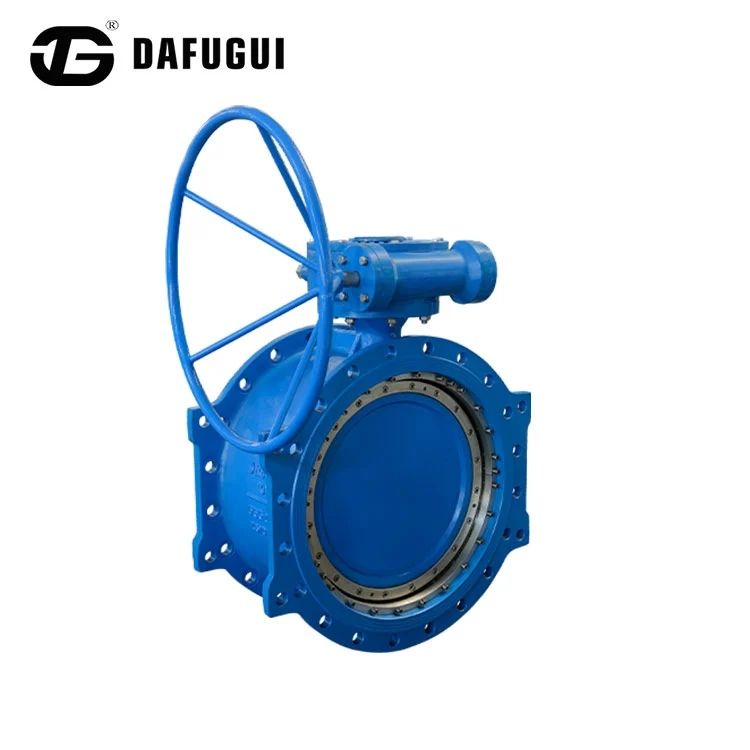
I choose a Butterfly Valve when the project needs quick shut-off, flow regulation, compact installation, and reasonable cost control. Compared with some traditional valves, a butterfly valve usually requires less space and lower operating torque. This matters in real industrial sites where pipe racks, pump rooms, treatment plants, power stations, and processing lines rarely offer unlimited space.
For many projects, I also like the 90-degree rotation design. The disc can move from closed to open quickly, which helps operators respond faster during routine control or emergency isolation. In systems where valves are operated frequently, that kind of simple movement can reduce handling difficulty and improve working efficiency.
- I use it when the pipeline needs fast opening and closing.
- I consider it when the installation space is limited.
- I prefer it when the buyer wants a practical balance between cost and performance.
- I recommend it when the system needs both shut-off and regulation functions.
- I compare sealing options carefully when the medium is hot, corrosive, or abrasive.
What Problems Can a Butterfly Valve Help Me Solve in Real Projects?
In many industrial purchasing cases, the buyer is not simply asking for a valve. The buyer is trying to solve a problem. The line may need better flow control. A previous valve may have leaked too often. The plant may need a lighter valve for a large-diameter pipeline. The maintenance team may want something easier to inspect and operate. These are the real reasons I consider a Butterfly Valve.
One common pain point is space. Large valves can be heavy, difficult to install, and inconvenient to maintain. A butterfly valve offers a compact structure, which makes it useful for wide-diameter applications where weight and installation time affect the total project cost.
Another problem is operating effort. When a valve requires too much torque, operators may struggle, and automation equipment may need to be oversized. A properly designed butterfly valve can reduce driving torque while still giving stable control. For systems that use worm gear operation, hydraulic control, pneumatic actuators, or electric actuators, this becomes even more important.
| Buyer Concern | How I Evaluate the Valve | Why a Butterfly Valve Can Help |
|---|---|---|
| Limited installation space | I check face-to-face length, body size, and operation clearance. | Its compact structure helps reduce space pressure in crowded pipe systems. |
| Frequent opening and closing | I review disc movement, torque demand, and actuator compatibility. | The quarter-turn operation supports quick and convenient control. |
| Leakage risk | I compare seat material, sealing surface, and working conditions. | The right sealing design can improve shut-off performance and system reliability. |
| High temperature service | I confirm body material, disc structure, and metal sealing options. | Metal-seated designs can be suitable for steam, gas, hot air, and similar media. |
| Maintenance cost | I look at structure simplicity and access to key components. | A simpler valve structure often makes inspection and maintenance easier. |
How Do I Match a Butterfly Valve to Different Working Conditions?
I never choose a Butterfly Valve by size alone. Size matters, but working medium, temperature, pressure, flow behavior, corrosion level, sealing requirement, and operation frequency matter just as much. A valve that performs well in a clean water system may not be suitable for steam, petrochemical media, flue gas, seawater, slurry, or cryogenic fluids.
For lower temperature or general water systems, I usually pay attention to elastic seat performance, sealing tightness, and corrosion resistance. For high-temperature applications, I look more closely at metal hard seal designs, body strength, disc stability, and resistance to thermal deformation. For pump outlet systems or hydropower applications, I may consider a hydraulic control check butterfly valve because the buyer may need shut-off, check, and water hammer reduction in one device.
- For water treatment, I focus on sealing reliability and easy operation.
- For steam and hot air, I pay attention to temperature resistance and metal sealing.
- For petrochemical service, I review material compatibility and corrosion resistance.
- For pumping stations, I consider water hammer protection and check function.
- For cryogenic systems, I check low-temperature performance and structural safety.
Which Butterfly Valve Features Matter Most When I Compare Suppliers?
When comparing suppliers, I do not stop at the product title. I want to know whether the supplier understands how the valve will be used in the real system. A good Butterfly Valve should not only look correct on paper. It should also fit the buyer’s pipeline, media, operating method, and maintenance plan.
For Dafugui Pipe Valve Co., Ltd., the product range gives buyers several practical directions to compare, including high temperature butterfly valves, low temperature butterfly valves, metal hard seal butterfly valves, elastic seat butterfly valves, high-performance butterfly valves, and hydraulic control check butterfly valves. This variety matters because industrial buyers usually do not want a one-size-fits-all answer. They need a valve type that matches the actual site.
| Valve Type | Where I Would Consider It | Main Value for Buyers |
|---|---|---|
| Elastic Seat Butterfly Valve | Water supply, drainage, HVAC, and general industrial pipelines | Good sealing performance and practical cost control |
| Metal Hard Seal Butterfly Valve | Higher temperature or more demanding industrial media | Better durability under harsh service conditions |
| High Temperature Butterfly Valve | Steam, hot air, gas ducts, and thermal process lines | Improved resistance to heat and thermal stress |
| Low Temperature Butterfly Valve | Cryogenic fluids, LNG-related systems, and low-temperature process lines | Stable performance in extremely cold operating environments |
| Hydraulic Control Check Butterfly Valve | Pump outlets, hydropower stations, and water conservancy systems | Combines shut-off, check, and water hammer control functions |
Why Is Sealing Performance So Important for a Butterfly Valve?
Sealing performance is one of the first things I check because leakage can create serious consequences. In water systems, leakage may waste resources and lower efficiency. In chemical or petrochemical systems, leakage can become a safety and environmental issue. In steam or gas systems, poor sealing may also affect pressure stability and energy consumption.
The sealing choice depends on the medium and temperature. Soft sealing can be suitable for many standard applications where tight shut-off and smooth operation are needed. Metal sealing is often considered for higher temperature, more abrasive, or more demanding conditions. I always remind buyers that the best sealing solution is not the most expensive one. It is the one that matches the working condition correctly.
A well-selected Butterfly Valve can help the system maintain stable control, reduce leakage risk, and lower the chance of repeated maintenance. That is why I prefer discussing medium, temperature, pressure, and installation position before talking about price.
How Can Installation Affect Butterfly Valve Performance?
Even a good valve can perform badly if it is installed carelessly. I always pay attention to installation because disc position, flange alignment, gasket selection, pipe stress, and operation clearance can all influence performance. During installation, the valve disc should be protected from damage, and the pipeline should be clean enough to prevent debris from affecting the sealing surface.
For heavy-duty valves, stable support is also important. If a large valve is left to carry pipe stress by itself, long-term deformation or sealing issues may appear. For gear-operated valves, I also check whether the operator has enough room to rotate the handwheel or connect an actuator.
- I check whether the valve size matches the pipeline standard.
- I confirm the flow direction if the design requires it.
- I keep the disc protected before and during installation.
- I avoid forcing misaligned flanges into position.
- I make sure heavy valves have enough structural support.
- I test operation before the system enters full service.
What Makes a Butterfly Valve a Cost Effective Choice Over Time?
Price is important, but I do not judge cost only by the purchase order. A cheaper valve may become expensive if it leaks, sticks, corrodes, or needs frequent replacement. A more suitable valve can reduce downtime, simplify maintenance, and improve the stability of the whole pipeline system.
The cost effectiveness of a Butterfly Valve comes from several practical advantages. Its structure is relatively simple. Its opening and closing movement is fast. Its body is often lighter than many bulky alternatives. It can be used in many industrial systems when the correct material and sealing design are selected. For large-diameter pipelines, these advantages can make a noticeable difference in installation labor, support structure, and operating convenience.
| Cost Factor | What I Look For | Long-Term Benefit |
|---|---|---|
| Installation | Compact size, lighter body, and easier positioning | Lower labor pressure and faster project progress |
| Operation | Low torque and suitable actuation method | Smoother daily control and less operator fatigue |
| Maintenance | Simple structure and accessible components | Reduced inspection difficulty and shorter downtime |
| Service life | Correct material, sealing type, and working condition match | Fewer replacements and more stable system performance |
How Do I Know Whether Dafugui Is a Suitable Butterfly Valve Supplier?
I look for three things when I evaluate a supplier. First, the supplier should have a clear product range, not just a single generic valve. Second, the supplier should understand different industrial applications. Third, the supplier should be able to support buyers with product selection based on actual conditions.
Dafugui Pipe Valve Co., Ltd. works with valves, flanges, pipe fittings, and other pipeline accessories, which helps buyers source related components from a supplier that understands pipeline systems as a whole. For buyers who need a Butterfly Valve, this can make communication easier because valve selection often connects with flange standards, pipe layout, installation space, and system requirements.
I also like to see whether a supplier can support different project needs. A water treatment buyer may need an elastic seat valve. A thermal plant may need high-temperature performance. A pump station may need hydraulic control. A petrochemical buyer may focus on corrosion resistance and sealing stability. A supplier with multiple butterfly valve categories can respond more flexibly to these differences.
What Should I Ask Before Sending a Butterfly Valve Inquiry?
Before I send an inquiry, I prepare the technical details as clearly as possible. This saves time and helps the supplier recommend a more accurate product. A vague inquiry such as “I need a butterfly valve” often leads to repeated questions. A clear inquiry helps both sides move faster.
- What medium will pass through the pipeline?
- What are the working pressure and temperature?
- What valve size and connection standard are required?
- Is the valve mainly used for shut-off, regulation, or both?
- Will the valve be manually operated or connected to an actuator?
- Is soft sealing or metal sealing more suitable for the condition?
- Are there special requirements for corrosion resistance or high temperature service?
- Does the project require documents, drawings, certificates, or customized options?
When I provide these details, the supplier can respond with a more useful recommendation instead of a broad product list. This is especially helpful for overseas buyers, engineering contractors, distributors, and plant maintenance teams who need reliable communication before placing an order.
Why Should I Treat Butterfly Valve Selection as a System Decision?
A valve is small compared with an entire pipeline project, but its impact is not small. If the valve fails, the system may need to stop. If the seal is wrong, leakage may appear. If the body material is unsuitable, corrosion may shorten service life. If the actuator is mismatched, operation may become unstable. That is why I treat Butterfly Valve selection as a system decision rather than a simple product purchase.
The right valve should support the system’s pressure, temperature, medium, flow control target, maintenance plan, and budget. It should also be easy for operators to use and practical for maintenance teams to inspect. When these factors are considered together, the buyer is more likely to receive a valve that performs well after installation, not just a valve that looks acceptable in a quotation.
How Can I Start a More Accurate Butterfly Valve Purchase?
If I were preparing a purchase plan today, I would begin by listing the working medium, temperature, pressure, size, connection standard, sealing preference, and operation method. Then I would ask the supplier to recommend a suitable valve type based on those details. For industrial buyers who need dependable flow control, Dafugui Pipe Valve Co., Ltd. can be considered for a practical Butterfly Valve solution across water, steam, gas, petrochemical, power, and general pipeline applications.
If you are comparing valve options for a new project, replacement order, maintenance plan, or distributor purchase, I recommend sending your working conditions and required specifications as early as possible. For product details, quotation support, technical selection, or customized requirements, please leave an inquiry or contact us today, and the team can help you choose a suitable Butterfly Valve for your pipeline system.