

How Can an Electronic Expansion Valve Enhance Refrigeration Cycle Performance
2026-03-10
In modern HVACR systems, precision control is no longer a luxury but a necessity. The electronic expansion valve has emerged as a critical component for optimizing the refrigeration cycle. At SANHENG, we understand that leveraging advanced flow control technology directly translates to energy savings and system longevity. This article explores how integrating a high-quality electronic expansion valve can fundamentally enhance your refrigeration performance.
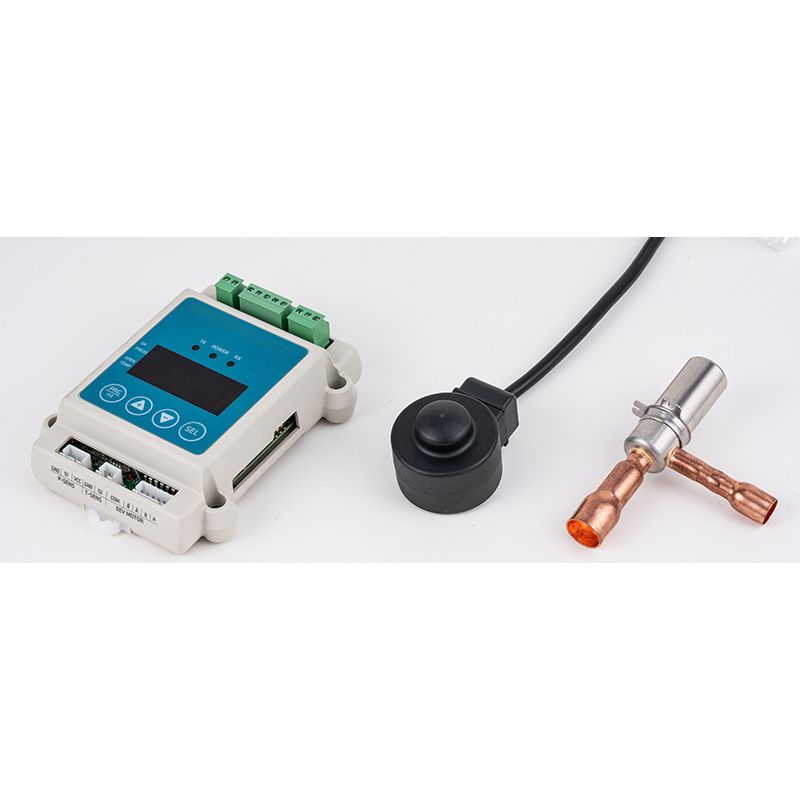
The Mechanism of Precision Control
Unlike traditional mechanical valves, an electronic expansion valve responds in real-time to system demands. It is controlled by an electronic controller that receives input from pressure and temperature sensors. This allows for a much finer regulation of refrigerant flow into the evaporator, ensuring that the system operates at its optimal efficiency point regardless of changing load conditions.
| Feature | Traditional TXV | Electronic Expansion Valve (SANHENG) |
|---|---|---|
| Response Time | Slow, mechanical | Instantaneous, electronic |
| Superheat Control | Mechanical setting (±1°C) | Digital precision (±0.5°C) |
| Adaptability | Fixed superheat | Dynamic superheat adjustment |
| Efficiency | Prone to hunting | Stable, hunting-free operation |
Key Benefits for the Refrigeration Cycle
The impact of a superior electronic expansion valve extends across the entire system. Here are the primary ways it enhances performance:
-
Optimized Superheat: By maintaining the lowest possible stable superheat, the electronic expansion valve maximizes the use of the evaporator surface. This prevents liquid slugging while ensuring no refrigerant is wasted, directly boosting the cooling capacity.
-
Improved Energy Efficiency Ratio (EER): With precise flow control, the compressor works less hard to maintain pressure differentials. This reduction in compressor workload leads to significant energy savings over time.
-
Faster Pull-Down: During startup, an electronic expansion valve can open fully to accelerate the pull-down to the desired temperature, then modulate precisely to maintain it. This is crucial for commercial refrigeration and cold storage applications.
Enhancing System Reliability and Diagnostics
Beyond immediate performance, the electronic expansion valve contributes to system health. It allows for electronic expansion valve diagnostics, where the control board can monitor valve operation and system pressures to predict potential failures. By preventing floodback and ensuring adequate superheat, it protects the compressor—the heart of the system—from premature wear.
Frequently Asked Questions
What is the main difference between a thermal expansion valve and an electronic expansion valve?
A thermal expansion valve relies on a physical bulb and spring mechanism to regulate flow based on pressure and temperature. It has a fixed setting and a slower response time. An electronic expansion valve, however, uses a stepper motor controlled by a microprocessor. This allows it to adjust the orifice size instantly based on multiple sensor inputs, providing much tighter control over superheat and adapting to varying load conditions far more effectively than its mechanical counterpart.
How does an electronic expansion valve contribute to energy savings in a refrigeration system?
By maintaining the lowest possible stable superheat, an electronic expansion valve ensures that the entire evaporator surface is used efficiently for heat absorption. This maximizes the system's cooling capacity for the same amount of energy input. Furthermore, it eliminates the "hunting" effect common in TXVs, which causes pressure fluctuations and forces the compressor to work harder. This precise control reduces the compressor's duty cycle and power consumption, leading to lower electricity bills.
Can an electronic expansion valve be retrofitted into an existing refrigeration system?
Yes, in most cases an electronic expansion valve can be retrofitted, provided the system has the appropriate electronic controls. The retrofit typically involves replacing the old mechanical valve, installing pressure and temperature sensors, and integrating a compatible controller. While the initial investment is higher than a simple TXV swap, the long-term gains in electronic expansion valve efficiency and system reliability often result in a rapid return on investment, especially for systems operating under variable loads.
Conclusion
Upgrading to an electronic expansion valve is a strategic move toward smarter, more efficient, and reliable refrigeration. The ability to dynamically control the refrigeration cycle ensures peak performance under all conditions, protecting your investment and reducing operational costs. SANHENG is committed to providing top-tier flow control solutions that meet the rigorous demands of modern industry.
Ready to enhance your system's performance with precision engineering? Contact us today to discuss your specific requirements and discover how SANHENG solutions can drive your success.