Abstract
A water treatment system plays a critical role in transforming raw, untreated water into safe, usable, and high-quality water for residential, commercial, and industrial applications.
This article explains how modern water treatment systems work, the key processes involved, common challenges users face, and how to select the right solution for long-term performance.
It also highlights practical insights from real-world applications and introduces how advanced solutions from VLLRO help improve efficiency, reliability, and water safety.
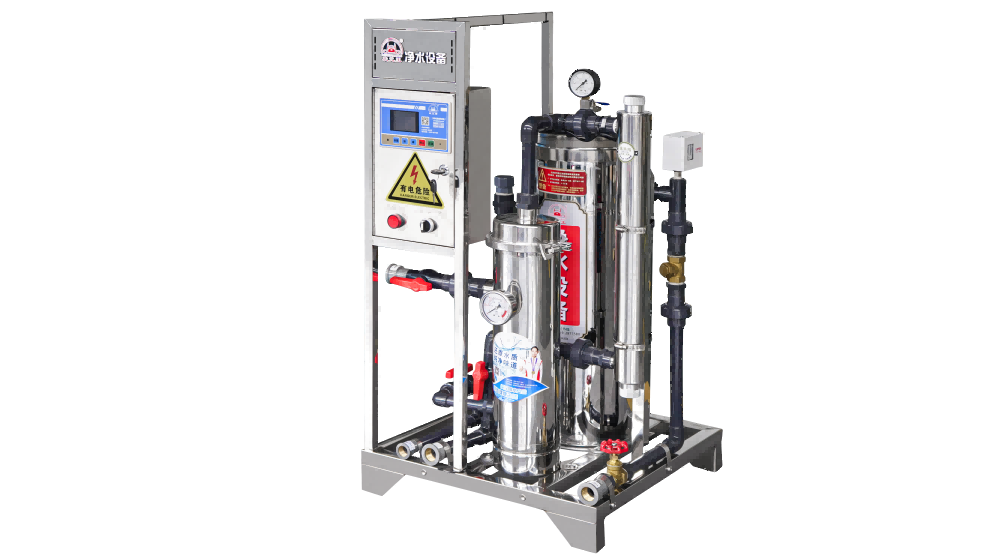
1. Understanding Water Treatment Systems
A water treatment system is an engineered solution designed to remove impurities, contaminants, and harmful microorganisms from water sources.
These systems are widely used in homes, factories, and municipal facilities to ensure that water meets safety and quality standards.
The increasing pressure on freshwater resources, combined with industrial pollution and aging infrastructure, has made water treatment essential.
Without proper treatment, water may contain sediments, heavy metals, bacteria, and chemical residues that pose risks to health and equipment performance.
2. Core Treatment Processes
Modern water treatment systems integrate multiple processes to ensure comprehensive purification. Each stage targets specific contaminants.
-
Coagulation and Flocculation: Small particles bind together into larger clusters for easier removal.
-
Sedimentation: Gravity allows heavier particles to settle at the bottom of tanks.
-
Filtration: Sand, carbon, or membrane filters remove fine particles and impurities.
-
Disinfection: Chlorination or UV treatment eliminates harmful microorganisms.
-
Reverse Osmosis: Advanced membrane filtration removes dissolved salts and micro-contaminants.
These processes are often combined depending on water source quality and end-use requirements.
3. Types of Water Treatment Systems
Different applications require different system configurations. Below is a simplified classification:
|
System Type
|
Application
|
Key Features
|
|
Residential Systems
|
Household drinking water
|
Compact, cost-efficient, easy maintenance
|
|
Commercial Systems
|
Hotels, offices, restaurants
|
Higher capacity, consistent output quality
|
|
Industrial Systems
|
Manufacturing, processing plants
|
High durability, advanced filtration stages
|
|
Municipal Systems
|
City water supply
|
Large-scale processing, regulatory compliance
|
4. Common Customer Challenges
Many users face recurring issues when dealing with untreated or poorly treated water systems:
-
Scaling and mineral buildup in pipes and machinery
-
Frequent filter clogging and system downtime
-
High operational and maintenance costs
-
Inconsistent water quality output
-
Contamination risks from bacteria and chemicals
These issues often result in reduced equipment lifespan, increased operational inefficiencies, and potential health hazards.
5. How to Choose the Right System
Selecting a water treatment system requires evaluating multiple technical and operational factors. The following table provides a practical guide:
|
Factor
|
Consideration
|
Impact
|
|
Water Source Quality
|
Hardness, contamination level
|
Determines filtration complexity
|
|
Capacity Requirement
|
Daily water demand
|
System size and scalability
|
|
Maintenance Frequency
|
Ease of servicing components
|
Operational cost efficiency
|
|
Energy Consumption
|
Power usage per output volume
|
Long-term cost optimization
|
A well-selected system reduces operational disruptions and ensures consistent water quality over time.
6. Key Benefits of Water Treatment Systems
-
Improved water safety for drinking and industrial use
-
Extended lifespan of pipelines and equipment
-
Reduced maintenance and repair costs
-
Compliance with environmental and safety standards
-
Enhanced operational efficiency in industrial processes
These benefits collectively contribute to sustainable water management and long-term cost savings.
7. Maintenance and Operational Insights
Proper maintenance is essential to ensure long-term efficiency of water treatment systems. Neglecting routine checks can lead to system failure and contamination risks.
-
Regular filter replacement based on usage cycles
-
Inspection of membranes and pumps for wear and tear
-
Monitoring water pressure and flow consistency
-
Periodic system flushing to remove buildup
Predictive maintenance strategies are increasingly adopted to reduce downtime and optimize system performance.
8. Industrial and Commercial Applications
Water treatment systems are widely used across various industries where water quality directly affects production and safety.
-
Food and beverage manufacturing
-
Pharmaceutical production
-
Power generation plants
-
Textile and dye industries
-
Marine and offshore operations
In these environments, even minor water contamination can lead to significant operational and financial losses.
9. Why Choose VLLRO Solutions
VLLRO provides advanced water treatment system solutions designed for reliability, scalability, and efficiency.
With a focus on engineering precision and material durability, VLLRO systems are built to handle demanding industrial and commercial environments.
-
Customized system configurations based on application needs
-
High-efficiency filtration and purification technologies
-
Durable components designed for long service life
-
Optimized energy and operational performance
-
Technical support and system integration guidance
Whether for industrial processing or municipal infrastructure, VLLRO solutions are engineered to deliver stable and consistent water quality output.
10. Frequently Asked Questions
Q1: How often should a water treatment system be serviced?
Service frequency depends on usage intensity, but most systems require inspection every 3–6 months.
Q2: Can water treatment systems remove all contaminants?
Advanced systems can remove most physical, chemical, and biological contaminants, though configuration determines effectiveness.
Q3: What is the lifespan of a typical system?
With proper maintenance, systems can last 10–20 years depending on component quality and operating conditions.
Q4: Is reverse osmosis necessary for all applications?
Not always. It is typically used where high-purity water is required.
Final Thoughts
Investing in a reliable water treatment system is essential for ensuring safe water usage, protecting equipment, and improving operational efficiency.
Advanced solutions from VLLRO provide scalable and durable options for diverse applications, helping businesses and facilities achieve consistent water quality.
If you are looking for a tailored solution or technical consultation, contact us today to explore how VLLRO can support your water treatment needs.