

How Can a Water Pump Control Valve Solve Hidden Pump System Problems Before They Become Expensive?
2026-05-07
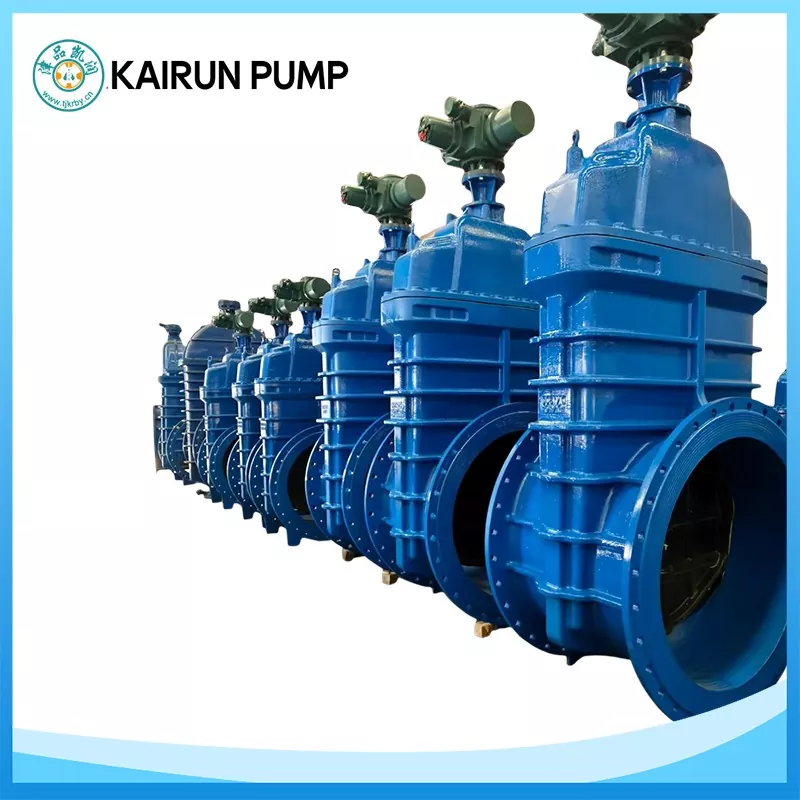
When I talk with project buyers, maintenance teams, and pump system contractors, I often notice the same concern coming up again and again. A pumping system may look complete on paper, but once pressure fluctuates, pipelines shake, or flow control becomes unstable, the entire setup starts losing efficiency. That is exactly where Tianjin Kairun Pump Industry Co., Ltd. gradually comes into the conversation, because a dependable Water Pump Control Valve is not just an accessory. It is one of the components that decides whether a water system runs smoothly, wastes energy, or creates avoidable maintenance problems over time.
Why Do So Many Pumping Systems Struggle With Pressure and Flow Stability?
I have seen many water transfer systems perform well at the beginning and then develop recurring issues after a period of operation. In many cases, the pump itself is not the only reason. The real trouble starts when the system cannot regulate pressure changes, isolate flow properly, or respond to varying operating conditions in time.
- Pressure surges can damage pipelines and fittings
- Unstable flow can reduce delivery efficiency
- Water hammer can shorten the service life of the whole system
- Poor shut-off control can make maintenance more difficult
- Weak valve performance can increase downtime and operating cost
That is why I always treat a Water Pump Control Valve as a system-level decision rather than a minor purchase. If the valve does not match the demands of the application, the pump station may continue to face the same operational problems no matter how often individual parts are replaced.
What Makes a Good Water Pump Control Valve Worth Paying Attention To?
For me, a good valve has to do more than open and close. It should support stable system behavior under real working conditions. In water supply, irrigation, drainage, industrial circulation, and similar environments, I look for a solution that can coordinate with the pump instead of fighting against it.
A well-designed Water Pump Control Valve helps manage pressure, regulate flow, reduce shock inside the pipeline, and improve the overall predictability of the system. That matters even more when the project runs under variable loads or in environments where operating conditions are not always ideal.
| What Buyers Usually Need | What the Right Valve Should Deliver |
|---|---|
| Stable pipeline pressure | Reliable pressure regulation during changing operating conditions |
| Controlled flow performance | Accurate flow adjustment that supports pump efficiency |
| Lower maintenance risk | Durable structure and dependable sealing performance |
| Safer system operation | Reduced water hammer and better response to surges |
| Flexible control options | Compatibility with manual, electric, or pneumatic operation |
How Does the Right Valve Help Me Reduce Downtime and Repair Costs?
One of the biggest pain points in pumping projects is not the upfront purchase cost. It is the hidden cost that appears later through repairs, shutdowns, leakage, unstable delivery, and repeated troubleshooting. I have learned that when a valve performs consistently, the entire system becomes easier to operate and easier to protect.
A reliable Water Pump Control Valve helps me in several practical ways.
- It reduces the chance of pressure-related pipe damage
- It supports smoother coordination between pump output and valve action
- It improves operational consistency across different flow demands
- It helps maintenance teams isolate sections more safely when service is needed
- It lowers the likelihood of repeated unplanned shutdowns
From an operating cost point of view, that combination matters a lot. A product that helps protect infrastructure and maintain stable water movement often creates more value over time than a cheaper valve that causes interruptions later.
Which Product Advantages Matter Most in Real Projects?
I do not think buyers are looking for empty claims. Most of us want practical advantages that make system operation easier and more reliable. When I evaluate a valve for a water project, I focus on the features that have a direct effect on performance in the field.
| Feature | Why It Matters in Daily Operation |
|---|---|
| Precise flow and pressure control | Helps maintain a more balanced system and supports efficient pump operation |
| Durable corrosion-resistant construction | Improves service life in freshwater, wastewater, and demanding outdoor environments |
| Good sealing and shut-off capability | Reduces leakage risk and improves maintenance safety |
| Multiple control methods | Allows the system to match different project requirements and automation levels |
| Adaptability to different pump systems | Makes system integration more practical during project design and upgrade work |
These are the kinds of strengths I want from a Water Pump Control Valve, because they affect more than a specification sheet. They affect the real outcome of the installation.
Is Material Selection Really Important When I Choose a Valve?
Yes, absolutely. I have seen buyers focus heavily on dimensions and price while paying too little attention to materials. That usually becomes a problem later. In water engineering, the operating environment can be far from gentle. Moisture, corrosion, suspended particles, changing temperatures, and long duty cycles all put pressure on the valve body and its sealing structure.
That is why I prefer solutions built with durable materials that can handle long-term service. A properly engineered Water Pump Control Valve should support reliable use in municipal projects, agricultural water transfer, industrial circulation, and other settings where durability is not optional.
- Corrosion resistance helps extend service life
- Structural strength supports long-term operation
- Stable sealing performance reduces leakage-related failures
- Quality materials improve reliability in harsh working conditions
For any buyer who wants fewer interruptions and more predictable maintenance cycles, material quality should never be treated as a secondary detail.
How Can I Tell Whether a Valve Will Fit My Control Method?
This is one of the questions I think more buyers should ask earlier. Not every project runs with the same control logic. Some sites still rely on manual operation. Others require electric or pneumatic actuation. More advanced installations may also need data visibility, remote monitoring, or smoother coordination with broader control systems.
When I choose a Water Pump Control Valve, I want to know whether it can work with the operational logic of the project instead of forcing the project to work around the valve.
| Control Requirement | Why Compatibility Matters |
|---|---|
| Manual control | Suitable for simpler systems and direct on-site operation |
| Electric control | Useful for faster response and easier integration into managed systems |
| Pneumatic control | Helpful where rapid actuation or specific industrial conditions are required |
| Smart monitoring integration | Supports better visibility of flow, pressure, and valve position in modern projects |
If a supplier understands this part well, it usually means they understand real applications rather than only catalog presentation.
What Problems Can the Wrong Valve Create Even If the Pump Is Good?
This is the uncomfortable truth. A strong pump cannot fully compensate for a weak valve choice. Even with a good pump, a poor valve decision can still lead to unstable pressure, poor shut-off, inefficient flow regulation, and preventable maintenance headaches.
I have seen these issues show up in different ways.
- Frequent vibration in the piping network
- System inefficiency during changing load conditions
- Increased wear caused by repeated pressure impact
- Difficult maintenance because isolation is not dependable
- Higher long-term cost despite lower initial purchase price
That is why I believe the best way to evaluate a Water Pump Control Valve is to look at the total operating picture, not just the unit cost. A lower-price product that causes disruption later is rarely the better choice.
Why Do I Pay Attention to Supplier Experience Instead of Looking at Price Alone?
Because product reliability is not just about the part itself. It also depends on whether the supplier understands pumping applications, installation realities, and the pressure points that buyers are trying to avoid. In my experience, it is easier to move a project forward when the manufacturer can discuss actual use scenarios rather than only generic selling points.
That is one reason why buyers may gradually pay attention to companies like Tianjin Kairun Pump Industry Co., Ltd.. When a supplier works across pump products and related system components, it becomes easier to find solutions that are aligned with the broader performance of the pumping system instead of being treated as isolated products.
Which Buyers Can Benefit Most From This Kind of Valve Solution?
I see strong value in this type of product for a wide range of projects, especially where stable water movement and infrastructure protection matter over the long term.
- Municipal water supply and drainage projects
- Agricultural irrigation systems
- Pumping stations
- Industrial fluid transfer systems
- Flood control and water management projects
- System upgrade and retrofit work
In each of these cases, the right Water Pump Control Valve can help improve control quality, reduce operational stress, and support more dependable system performance.
How Do I Make a Smarter Purchase Decision Without Overcomplicating the Process?
When I want to make a practical decision, I keep the evaluation simple and focused on project reality.
- I confirm the actual operating conditions instead of relying on assumptions
- I check whether pressure and flow stability are major concerns in the system
- I look at durability, sealing, and material suitability
- I verify whether the valve can match the required control method
- I consider long-term maintenance impact, not only the purchase price
- I prefer a supplier that can discuss customization when project needs are specific
That approach usually leads to a better result than choosing only by catalog appearance or short-term budget pressure.
What Should I Do If I Want a More Reliable Pump System Starting Now?
If I want better pressure control, smoother flow regulation, safer pipeline operation, and fewer costly interruptions, I know I cannot overlook valve selection. Choosing the right Water Pump Control Valve is one of the most practical ways to strengthen the performance of a pump system without making the project unnecessarily complicated.
If you are comparing options for your next water transfer, municipal, irrigation, drainage, or industrial project, this is a good time to look more closely at what your valve choice is really doing for the system. If you want a solution that supports long-term reliability and practical operating efficiency, contact us today and leave your inquiry. The team at Tianjin Kairun Pump Industry Co., Ltd. is ready to discuss your application and help you find a more suitable Water Pump Control Valve for your project.