

Article Summary: A piston pulse valve plays a vital role in industrial dust collection by controlling short, powerful bursts of compressed air that remove accumulated dust from filter bags and cartridges. Choosing the right valve can improve cleaning consistency, reduce unnecessary compressed air consumption, simplify maintenance, and help prevent unexpected production interruptions. This guide explains how a piston pulse valve works, which technical factors matter during selection, how to install it correctly, and how to identify common operating problems. It also explores the advantages of piston-based construction and the practical considerations industrial buyers should evaluate before upgrading an existing dust collection system.
1. What Is a Piston Pulse Valve?
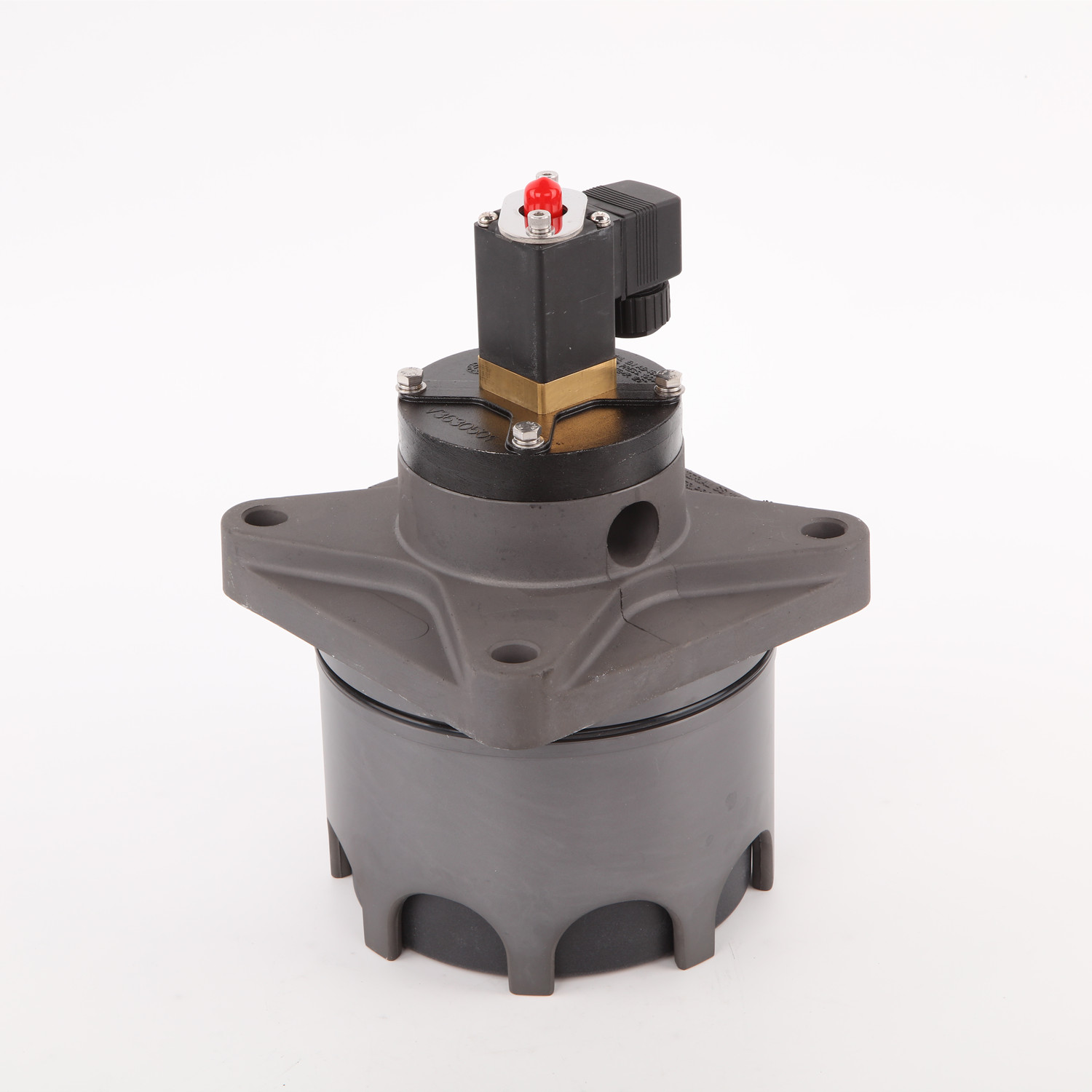
A piston pulse valve is a pneumatically operated valve commonly used in pulse-jet dust collectors and industrial filtration equipment. It controls the release of compressed air into a blowpipe, producing a rapid air pulse that dislodges dust accumulated on filter bags or cartridges. The released dust then falls into a hopper for collection and disposal.
Although filter media capture airborne particles effectively, dust gradually builds up on their surfaces during continuous operation. Without regular cleaning, this accumulation increases pressure drop, restricts airflow, raises fan energy consumption, and may reduce the production capacity of the entire filtration system.
The pulse valve helps prevent these problems by delivering cleaning air at carefully controlled intervals. Its response speed, sealing performance, airflow capacity, and operating stability directly influence the effectiveness of the cleaning process.
Unlike conventional diaphragm-based designs, a piston-type construction uses a piston as its principal moving component. Certain piston pulse valve designs eliminate the rubber diaphragm and pressure spring used in traditional valve mechanisms, reducing dependence on these particular wear components.
For facilities operating large dust collectors, this construction can be attractive when equipment accessibility is limited, maintenance interruptions are expensive, or consistent cleaning performance is essential.
For an example of this product category, explore the Optipow 135 Piston Pulse Valve, designed for industrial dust cleaning and filtration systems.
2. How Does a Piston Pulse Valve Work?
The valve operates through the interaction of an electromagnetic pilot mechanism, compressed air, and a movable piston. The pilot solenoid responds to an electrical signal from the dust collector controller, initiating the opening and closing sequence.
Stage One: Standby and Sealing
When the valve is closed, pneumatic pressure acts on the piston surfaces according to the internal chamber design. The resulting force holds the piston against its sealing position, preventing continuous compressed air discharge into the blowpipe.
Stage Two: Electrical Activation
The pulse controller sends a short electrical signal to the solenoid pilot. The pilot mechanism opens its designated exhaust passage, allowing pressure in the relevant control chamber to change. This pressure difference creates the force required to move the piston.
Stage Three: Rapid Air Discharge
As the piston moves away from its sealing position, the main air passage opens. Compressed air stored in the manifold or air tank is released rapidly through the valve and into the blowpipe. The resulting pulse travels toward the filter elements and removes accumulated dust.
Stage Four: Automatic Closure
When the electrical signal ends, the pilot mechanism returns to its normal position. Pressure conditions inside the valve chambers are restored, allowing the piston to return to its closed position. The valve stops discharging air and prepares for the next cleaning cycle.
3. Key Benefits of a Piston Pulse Valve
3.1 Reduced Dependence on Diaphragm Wear Components
In a piston design that does not use a conventional rubber diaphragm or pressure spring in its main working chamber, those particular components are no longer routine failure points. This can reduce maintenance requirements associated with diaphragm cracking, elastic deterioration, or spring-related problems.
However, a piston valve still contains moving parts, sealing surfaces, and electrical components that require suitable operating conditions and periodic inspection.
3.2 Consistent Dust Removal
Reliable opening and closure help deliver repeatable compressed air pulses. Effective cleaning limits excessive dust buildup on the filter media, supporting stable airflow and helping the dust collector maintain its designed operating capacity.
3.3 Compact Installation
Space can be a major constraint when retrofitting an existing baghouse. A compact valve arrangement may simplify manifold layout and provide more flexibility when designing blowpipe connections. The actual installation footprint must still be checked against the valve drawing and the available service clearance.
3.4 Potentially Lower Maintenance Costs
Reducing component replacement frequency can lower spare-parts expenditure and labor requirements. More importantly, dependable operation can help avoid costly interruptions caused by ineffective cleaning or compressed air leakage.
Actual savings depend on operating pressure, pulse frequency, air quality, environmental conditions, and the maintenance practices used at the facility. Buyers should evaluate total operating costs rather than relying on the valve's purchase price alone.
3.5 Better Control of Compressed Air Usage
A properly sized, well-sealed valve delivers air when the controller requests a cleaning pulse and closes afterward. Preventing leakage and optimizing pulse timing can reduce avoidable compressed air losses. This matters because compressed air is an energy-intensive utility in many industrial plants.
4. How to Select the Right Piston Pulse Valve
Selecting a replacement valve involves more than matching the nominal connection size. An incorrect pressure rating, incompatible control voltage, unsuitable mounting arrangement, or insufficient airflow can lead to poor cleaning performance even when the valve physically fits the manifold.
| Selection Factor | What to Verify | Why It Matters |
|---|---|---|
| Valve model | Exact model designation and compatible replacement specification | Helps prevent dimensional or functional mismatches. |
| Connection size | Nominal size, thread or flange standard, and mounting dimensions | Ensures proper installation and sufficient flow capacity. |
| Operating pressure | Normal, minimum, and maximum system pressure | Supports reliable actuation and safe operation. |
| Electrical supply | Coil voltage, AC or DC type, frequency where applicable, and connector | Prevents electrical incompatibility and solenoid damage. |
| Air quality | Moisture, oil, particulates, and contamination levels | Reduces sticking, wear, and sealing problems. |
| Temperature | Ambient and compressed-air temperatures within rated limits | Helps protect seals and electrical components. |
| Installation space | Center-to-center distance, manifold interface, and service clearance | Reduces costly modifications during replacement. |
Understand the Required Operating Pressure
Operating pressure affects the force available to actuate the valve and the volume of air delivered during each pulse. Check the manufacturer's specified operating range rather than assuming that a higher pressure will always improve cleaning.
Insufficient pressure may produce weak pulses or unreliable operation. Excessive pressure can exceed component ratings, increase air consumption, and place unnecessary stress on the system. The correct setting must reflect the valve specification and the dust collector's design.
Check the Electrical Control System
Confirm that the valve's solenoid arrangement matches the output of the existing pulse controller. Pay attention to voltage, current requirements, connector configuration, and environmental protection. If the existing controller uses a different electrical supply, verify compatibility before installation.
Review Manufacturer Documentation
For the Optipow 135 model, the referenced product page lists a 4-inch specification, a design static pressure of 15 bar, an operating pressure below 6 bar, and a design temperature of 100°C. These figures represent different specification categories and should not be interpreted as interchangeable limits.
Before purchasing, request the current technical datasheet to confirm the permitted operating temperature, approved pressure range, exact electrical configuration, mounting dimensions, and other conditions applicable to the specific product version.
5. How to Install a Piston Pulse Valve Correctly
Correct installation is essential for obtaining stable pulses, preventing compressed air leakage, and protecting the valve from contamination. Even a high-quality valve can perform poorly when the manifold interface is uneven or the air supply contains excessive moisture.
Step 1: Isolate the System Safely
Switch off the relevant electrical supply, isolate the compressed air source, and release all residual pressure before starting installation. Follow the facility's lockout and tagout procedures. Never loosen a pressurized connection or open a valve assembly while it remains energized.
Step 2: Inspect the Manifold and Blowpipe
Check the air manifold, mounting surfaces, fasteners, and blowpipe for corrosion, deformation, contamination, or damage. Remove debris from the relevant passages. The mating surface should be clean, flat, and suitable for the specified sealing arrangement.
Step 3: Prepare the Connections
Apply an appropriate thread sealant or PTFE tape where required by the manufacturer's instructions. Avoid introducing excess sealing material into the air passage, as loose fragments may interfere with valve movement or obstruct small pilot passages.
Step 4: Mount and Connect the Valve
Position the valve according to the approved installation drawing. Confirm that the inlet and outlet connections align correctly and that the mounting fasteners are tightened as specified. Do not force a misaligned connection or apply unapproved tightening torque.
Step 5: Check Air Preparation Equipment
Install suitable air filtration and pressure regulation equipment where required. Provide a drain at the low point of the air manifold or receiver arrangement so accumulated condensate can be removed. Clean, dry compressed air helps reduce internal contamination and operating problems.
Step 6: Conduct Commissioning Tests
Restore the system following the approved startup procedure. Check connections for leakage, verify the solenoid response, and run controlled pulse tests. Confirm that the valve opens and closes consistently and that the pulse reaches the intended blowpipe. Observe system pressure and dust collector differential pressure during subsequent operation.
6. Maintenance and Troubleshooting for Better Reliability
Routine inspection helps identify performance changes before they cause a major interruption. Maintenance intervals should reflect operating frequency, dust characteristics, compressed air quality, and the manufacturer's recommendations.
| Observed Problem | Possible Cause | Recommended Action |
|---|---|---|
| Weak cleaning pulse | Low air pressure, restricted passages, incorrect timing, or valve malfunction | Check pressure, air supply restrictions, controller settings, and valve operation. |
| Continuous air leakage | Contaminated sealing surfaces, damaged seals, or incorrect installation | Isolate the system and inspect sealing surfaces and internal components. |
| Valve fails to actuate | Electrical fault, defective coil, blocked pilot passage, or mechanical sticking | Verify the control signal and electrical supply, then inspect the valve safely. |
| Inconsistent pulse timing | Controller configuration issues or intermittent electrical connections | Inspect controller outputs, wiring, connectors, and pulse sequence settings. |
| Rising filter differential pressure | Ineffective cleaning, overloaded filters, poor airflow, or unsuitable pulse settings | Evaluate the entire dust collection system instead of replacing the valve automatically. |
| Moisture or debris in the manifold | Inadequate air treatment or ineffective condensate drainage | Inspect filtration, drainage, and compressed air preparation equipment. |
Build a Practical Inspection Routine
- Record operating pressure and investigate unexplained fluctuations.
- Listen for continuous air leakage when the valve should be closed.
- Check the solenoid connections and control signals during scheduled maintenance.
- Inspect the air manifold for condensate and contamination.
- Monitor differential pressure across the filter elements and compare trends.
- Document valve replacements, abnormal operating conditions, and corrective actions.
- Keep compatible replacement valves and critical spare components available according to maintenance needs.
When a problem occurs, avoid immediately increasing pulse duration or air pressure. First determine whether the cause lies in the valve, the air supply, the controller, the blowpipe, or the filter media. Correct diagnosis prevents unnecessary compressed air consumption and helps avoid repeated failures.
7. Where Are Piston Pulse Valves Commonly Used?
Piston pulse valves are suited to industrial dust collection systems that rely on compressed air for periodic filter cleaning. Their suitability for a particular facility depends on the valve's specifications and the operating environment.
Cement and Building Materials
Grinding, conveying, mixing, and packaging operations can generate significant quantities of airborne dust. Reliable pulse cleaning helps maintain filter airflow and supports stable dust collection throughout production.
Metallurgy and Steel Production
Dust collection systems in metal processing facilities may operate continuously under demanding conditions. Correctly specified valves help maintain cleaning performance and reduce the likelihood of maintenance-related production interruptions.
Mining and Mineral Processing
Crushing, screening, material transfer, and handling processes generate particulate matter that can quickly load filter media. Consistent pulse operation helps control dust buildup in appropriately designed filtration equipment.
Power Generation and Industrial Manufacturing
Boiler-related dust collection, material handling, and general industrial ventilation systems may use pulse-jet filters to control particulate emissions. Valve selection must account for the actual gas conditions, ambient environment, compressed air quality, and applicable safety requirements.
Across these industries, a valve should always be selected as part of the complete filtration system. The most suitable option is the one that meets the application requirements reliably, rather than simply the model with the highest nominal pressure rating.
8. Piston Pulse Valves vs. Diaphragm Pulse Valves
Both piston and diaphragm pulse valves are used in industrial dust collection, but their internal mechanisms differ. Understanding these differences helps maintenance teams evaluate retrofit options and plan long-term operating costs.
| Comparison Point | Piston Pulse Valve | Diaphragm Pulse Valve |
|---|---|---|
| Main moving mechanism | Uses a piston to control the main air passage. | Uses a flexible diaphragm to control the main air passage. |
| Wear considerations | Some designs eliminate the conventional working diaphragm and pressure spring. | Diaphragm condition is an important maintenance consideration. |
| Maintenance priorities | Inspect piston movement, sealing surfaces, pilot operation, and electrical components. | Inspect the diaphragm, pilot mechanism, sealing surfaces, and electrical components. |
| Replacement planning | Requires confirmation of piston design, dimensions, and system compatibility. | Requires confirmation of diaphragm type, valve dimensions, and system compatibility. |
| Best selection approach | Evaluate durability, airflow, footprint, and application-specific requirements. | Evaluate proven compatibility, airflow, maintenance needs, and application requirements. |
Neither design is automatically the best choice for every installation. A well-matched diaphragm valve may perform reliably for many years, while a suitable piston valve may offer maintenance advantages in a particular application. Buyers should compare verified performance data, spare-parts availability, installation requirements, and expected lifecycle costs before making a decision.
9. Frequently Asked Questions About Piston Pulse Valves
Q1. What is the main function of a piston pulse valve?
Its main function is to release short bursts of compressed air into the blowpipe of a pulse-jet dust collector. These pulses dislodge accumulated dust from filter bags or cartridges, helping maintain airflow and filtration performance.
Q2. What makes a piston pulse valve different from a diaphragm valve?
A piston pulse valve uses a piston as its principal moving component, while a diaphragm valve uses a flexible membrane. Certain piston designs eliminate the conventional working diaphragm and pressure spring, changing the components that require inspection and replacement.
Q3. How can I determine whether a piston pulse valve needs replacement?
Warning signs include persistent air leakage, weak or missing pulses, unreliable actuation, and repeated operating faults. Check the electrical supply, compressed air conditions, controller settings, and installation before deciding whether repair or replacement is necessary.
Q4. Why is clean, dry compressed air important?
Moisture, oil, and solid contaminants can interfere with moving components, damage sealing surfaces, and obstruct small control passages. Suitable air filtration, pressure regulation, and condensate drainage help support reliable operation.
Q5. Can I replace an existing diaphragm pulse valve with a piston pulse valve?
Potentially, but compatibility must be confirmed. Check the mounting dimensions, manifold interface, nominal connection size, pressure range, electrical configuration, airflow requirements, and control sequence. Physical fit alone does not guarantee equivalent cleaning performance.
Q6. How often should a piston pulse valve be maintained?
There is no universal maintenance interval for every application. Follow the manufacturer's instructions and establish inspection intervals based on operating frequency, environmental conditions, air quality, and observed performance. Increase inspection frequency if leakage or inconsistent pulses develop.
Q7. Does a higher operating pressure always produce better cleaning?
No. Effective cleaning depends on the valve design, air volume, manifold capacity, blowpipe arrangement, pulse duration, and filter characteristics. Operating pressure must remain within the approved range, and changes should be evaluated against the dust collector's design requirements.
Q8. What should I confirm before ordering an Optipow 135 replacement?
Confirm the exact model, connection size, installation dimensions, operating pressure, temperature limits, electrical requirements, and required accessories. Ask the supplier for the current technical drawing and datasheet if the existing valve's specifications are incomplete.
Q9. Can a faulty pulse valve cause high dust collector differential pressure?
Yes. If the valve delivers weak or irregular pulses, dust may accumulate on the filter media, increasing differential pressure. However, clogged filters, excessive dust loading, airflow problems, and incorrect controller settings can produce similar symptoms, so the entire system should be checked.
10. Choose a Reliable Piston Pulse Valve Supplier
Choosing the right industrial valve requires a combination of product knowledge, accurate technical information, and an understanding of real operating conditions. Buyers should look beyond the initial purchase price and consider product consistency, installation compatibility, maintenance requirements, spare-parts support, and delivery arrangements.
Qingdao Star Machine Technology Co.,Ltd. provides industrial dust collection components, including piston pulse valve solutions for filtration equipment. When evaluating a replacement valve or planning a new dust collection installation, customers can discuss model compatibility, operating conditions, technical specifications, and procurement requirements with the company.
Whether you are replacing an existing Optipow 135 valve, improving the reliability of a baghouse cleaning system, or sourcing valves for an industrial project, providing accurate equipment information at the inquiry stage helps identify an appropriate solution and avoid unnecessary installation modifications.
Looking for a Suitable Piston Pulse Valve?
Improve your dust collection maintenance planning with a valve solution matched to your equipment and operating requirements. Contact Qingdao Star Machine Technology Co.,Ltd. to discuss product specifications, replacement compatibility, and your industrial filtration needs.
Have a model number, technical drawing, or project specification ready? Share these details to help streamline the selection process.
Contact Us