

How Can a Flow And Pressure Regulating Valve Make Industrial Pipeline Control More Stable?
2026-05-14
When I look at an industrial pipeline project, I rarely judge a valve only by its size or material. I care more about whether it can keep the system steady when pressure changes, flow demand shifts, or the working medium becomes difficult to control. That is why I pay close attention to manufacturers such as Tianhong Valve Technology (Quanzhou) Co., Ltd., especially when evaluating a Flow And Pressure Regulating Valve for water supply, industrial circulation, chemical processing, power generation, metallurgy, and other demanding pipeline systems.
For buyers, engineers, and project contractors, unstable pressure is not a small inconvenience. It can lead to energy waste, equipment vibration, leakage risk, poor process accuracy, frequent maintenance, and unexpected downtime. A regulating valve is not just a component installed in the pipeline. It is often the part that decides whether the whole system runs smoothly or constantly needs adjustment.
In this article, I want to explain how I evaluate this type of valve from a practical purchasing and engineering perspective. Instead of repeating product catalog language, I will focus on the real questions buyers usually care about before making a decision.
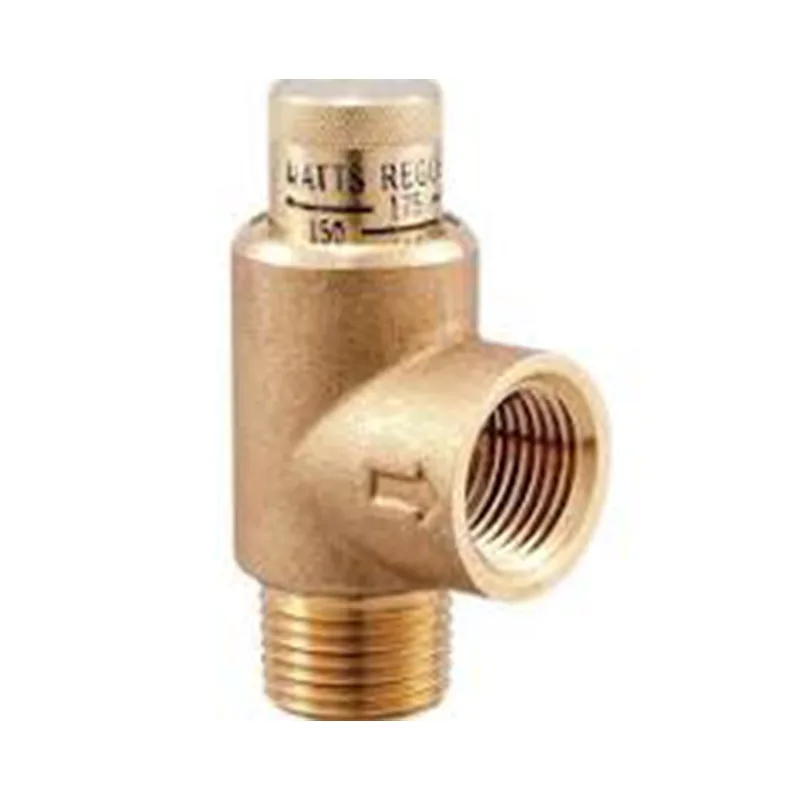
Why does flow and pressure control matter so much in industrial pipelines?
In many pipeline systems, flow and pressure are closely connected. When one changes, the other often reacts immediately. If the valve cannot respond properly, the entire system may become unstable. I have seen projects where the pump was blamed first, the pipeline layout was blamed second, and the valve was only checked at the end. In reality, the wrong valve selection was often one of the main reasons behind the problem.
A well-selected Flow And Pressure Regulating Valve helps the system maintain controlled operation by adjusting the valve opening according to actual working conditions. This matters especially when the pipeline carries water, steam, slurry, gas, oil, or process fluids under variable load conditions.
- It helps reduce sudden pressure fluctuation in the pipeline.
- It supports more consistent downstream flow.
- It helps protect pumps, meters, and connected equipment.
- It can improve process stability in production lines.
- It may reduce unnecessary energy consumption caused by overpressure or poor regulation.
From a buyer’s point of view, the value is not only in the valve itself. The value is in fewer shutdowns, fewer complaints from the site, and a system that behaves predictably after installation.
What problems can a Flow And Pressure Regulating Valve help solve for buyers?
When I talk with industrial buyers, their concerns are usually very specific. They are not simply asking whether a valve can open and close. They want to know whether it can work reliably under actual pressure, actual flow demand, and actual site conditions.
| Buyer Concern | Pipeline Problem | How the Valve Helps |
|---|---|---|
| Pressure instability | Downstream pressure rises or drops too quickly | The valve adjusts the flow path to support steadier pressure control |
| Energy waste | Pumps work harder than necessary due to poor regulation | Better flow control can help reduce unnecessary load in the system |
| Leakage risk | High differential pressure causes sealing stress | Reliable sealing structure helps improve operational safety |
| Maintenance frequency | Impurities or unstable flow cause repeated inspection | A suitable structure can reduce clogging risk and improve service continuity |
| Poor process accuracy | Flow rate is difficult to keep within the required range | Fine adjustment supports more accurate process control |
This is why I see the Flow And Pressure Regulating Valve as a control solution rather than a simple pipeline accessory. For a project that requires stable output, it can become one of the most important points of system reliability.
How should I judge whether a regulating valve is suitable for my project?
I usually start with working conditions, not price. Price is important, of course, but a cheaper valve that cannot handle the project conditions will become expensive very quickly. Before recommending or selecting a regulating valve, I would normally check several key details.
- What medium will pass through the pipeline?
- What is the normal working pressure?
- What is the maximum pressure fluctuation?
- What flow range does the system need to control?
- Is the pipeline large diameter or high pressure?
- Does the medium contain impurities or particles?
- Is manual, electric, or gear-driven adjustment more suitable?
- How often will the system run each day?
- What level of sealing reliability is required?
Once these conditions are clear, it becomes much easier to determine whether a specific Flow And Pressure Regulating Valve can meet the project’s technical and operational needs. This is also where an experienced manufacturer becomes important, because valve performance depends on structure, machining accuracy, sealing design, and the match between valve type and application.
Why is regulation accuracy important for production efficiency?
Accuracy is not only a technical word. In actual production, poor regulation can cause waste, unstable output, safety concerns, and repeated manual adjustment. A valve that can regulate flow more precisely helps operators keep the system within a controlled range.
For example, in a water treatment project, inaccurate flow control may affect the balance between different pipeline sections. In a chemical process, it may influence reaction stability. In a power plant or metallurgical system, unstable flow and pressure may affect equipment protection and process continuity.
When I evaluate a regulating valve, I pay attention to whether the design supports smooth adjustment rather than rough movement. A good valve should not behave like an on-off device when the application requires gradual control. It should allow the operator or control system to make smaller, more predictable changes.
This is one reason a Flow And Pressure Regulating Valve is often selected for projects that require both stability and flexibility. It can help the pipeline adapt to changing demand without forcing operators to constantly compensate for pressure imbalance.
What makes sealing reliability so important in high pressure systems?
Sealing performance is one of the areas where buyers should be strict. In low-pressure or low-risk applications, a small leakage problem may only create inconvenience. In high-pressure industrial systems, poor sealing can lead to safety risks, production loss, and expensive maintenance.
I always look at sealing reliability together with the working medium. Clean water, corrosive fluid, slurry, gas, and high-temperature media all place different demands on the valve. If the valve structure is not designed for the actual pressure and medium, the sealing area may wear faster than expected.
A reliable Flow And Pressure Regulating Valve should support stable sealing under the required working pressure. For projects involving impurities, pressure difference, or frequent adjustment, the sealing design becomes even more important. Buyers should not only ask whether the valve can seal when new. They should ask whether it can continue sealing after long-term use under real pipeline conditions.
How does a better valve design reduce maintenance pressure?
Maintenance is where many buyers feel the real cost of poor valve selection. A valve may look acceptable during the quotation stage, but if it needs frequent cleaning, adjustment, or replacement, the total cost quickly becomes unreasonable.
In my experience, maintenance pressure usually comes from several causes.
- The valve is not suitable for the working medium.
- The internal flow path causes unnecessary resistance.
- The sealing structure wears too quickly.
- The valve body design is difficult to inspect or service.
- The regulation mechanism is not stable enough for frequent operation.
For large-diameter or high-pressure pipelines, easy maintenance becomes even more valuable. A practical design can reduce disassembly work, lower downtime, and make site inspection more efficient. This is especially important for municipal projects, industrial plants, water systems, and continuous production facilities where shutdown time directly affects cost.
Which industries commonly need this kind of regulating valve?
I would consider this valve type for any system where flow and pressure cannot be left uncontrolled. The need is especially clear in industries where pipeline stability affects safety, efficiency, or production quality.
| Industry | Common Application | Buyer Priority |
|---|---|---|
| Water supply and drainage | Pipeline pressure balancing and flow distribution | Stable pressure and long service life |
| Petrochemical processing | Fluid control in process pipelines | Sealing reliability and safety |
| Power generation | Circulation systems and auxiliary pipelines | Accurate control and durable structure |
| Metallurgy | Cooling water, process fluid, and pressure control | Resistance to demanding working conditions |
| Industrial manufacturing | Production line fluid regulation | Consistent output and reduced downtime |
Across these industries, the purchasing logic is similar. Buyers want a valve that performs steadily, fits the system, and reduces the risk of unexpected failure. That is why the Flow And Pressure Regulating Valve continues to be relevant for both new projects and pipeline upgrades.
What should I ask a supplier before placing an order?
Before I move forward with a valve supplier, I like to ask direct technical questions. A serious supplier should be able to discuss working conditions, product structure, materials, testing, and application matching instead of only offering a general quotation.
- Can the valve handle my required pressure and flow range?
- What connection standard is available for my pipeline?
- Which material is recommended for my working medium?
- Is the valve suitable for high differential pressure?
- How does the sealing structure perform under long-term operation?
- Can the valve be customized for project requirements?
- What inspection or testing process is used before shipment?
- What information should I provide for accurate selection?
These questions help separate a general seller from a manufacturer that understands real pipeline use. When dealing with industrial valves, I prefer suppliers who ask detailed questions in return. It usually means they are trying to match the product correctly, not simply ship whatever is available.
How can Tianhong Valve support more reliable valve selection?
For industrial buyers, product range and technical matching both matter. Tianhong Valve Technology (Quanzhou) Co., Ltd. supplies different valve products for pipeline control, and its Flow And Pressure Regulating Valve is positioned for applications where flow control, pressure control, sealing reliability, and operational stability need to work together.
What I find useful is the product direction itself. It addresses several practical needs at once. It is designed for regulation rather than simple shutoff. It supports pressure and flow stability. It can be considered for demanding pipeline systems where reliability matters. For buyers who manage municipal, industrial, chemical, power, or metallurgical projects, those points are more valuable than decorative product claims.
Of course, the final selection should always depend on project details. Valve size, pressure rating, material, connection type, medium, temperature, and control method all need to be confirmed before ordering. But when these details are handled properly, a suitable regulating valve can improve the entire system’s operating quality.
Why should buyers care about long term value instead of only unit price?
I understand why buyers compare price first. Valve projects often involve many units, and budget pressure is real. But for a critical pipeline component, the lowest unit price does not always mean the lowest project cost.
A poorly matched valve can create hidden costs through leakage, unstable control, repeated maintenance, spare part replacement, labor time, production interruption, and customer complaints. A more reliable valve may cost more at the beginning, but it can reduce these risks over the service life of the system.
When I compare options, I prefer to look at total value.
- Will the valve reduce system instability?
- Will it help protect connected equipment?
- Will it reduce maintenance frequency?
- Will it support accurate flow and pressure control?
- Will the supplier help with correct selection before shipment?
If the answer is yes, then the valve is not just a purchase item. It becomes part of the system’s long-term reliability plan.
How do I decide whether this valve is the right choice?
I would choose a Flow And Pressure Regulating Valve when the pipeline requires controlled flow, stable pressure, reliable sealing, and better adaptability to changing working conditions. It is especially suitable when the project cannot afford frequent pressure fluctuation or repeated manual adjustment.
For engineers, the main benefit is better control. For purchasing teams, the benefit is lower long-term risk. For project owners, the benefit is more stable operation after installation. These are the reasons this valve type deserves careful attention during system design and procurement.
If you are planning a new pipeline project, replacing an unstable valve, or comparing suppliers for an industrial control system, I recommend preparing your working pressure, medium, temperature, flow range, valve size, and connection standard before requesting a quotation. With those details, Tianhong Valve Technology (Quanzhou) Co., Ltd. can help you review the application and recommend a suitable valve solution. To discuss your project requirements or request a quotation, please leave an inquiry or contact us today.