Article Summary:
Industrial facilities that handle combustible gases, vapors, or dust require components that can maintain reliable operation while reducing potential safety risks. A DCF-F Explosion Proof Solenoid Coil is designed for applications where standard solenoid coils may not provide sufficient protection in hazardous environments. This article explains how explosion-proof solenoid coils work, why proper selection matters, what factors influence long-term reliability, and how companies can avoid common installation and maintenance problems. It also introduces key considerations when choosing a supplier such as Qingdao Star Machine Technology Co.,Ltd.
The DCF-F Explosion Proof Solenoid Coil is commonly associated with explosion-proof pulse valve applications, especially in industrial dust collection systems and hazardous working areas. Product information indicates that this type of coil uses sealed construction, explosion-proof protection design, and environmental resistance features suitable for demanding industrial conditions.
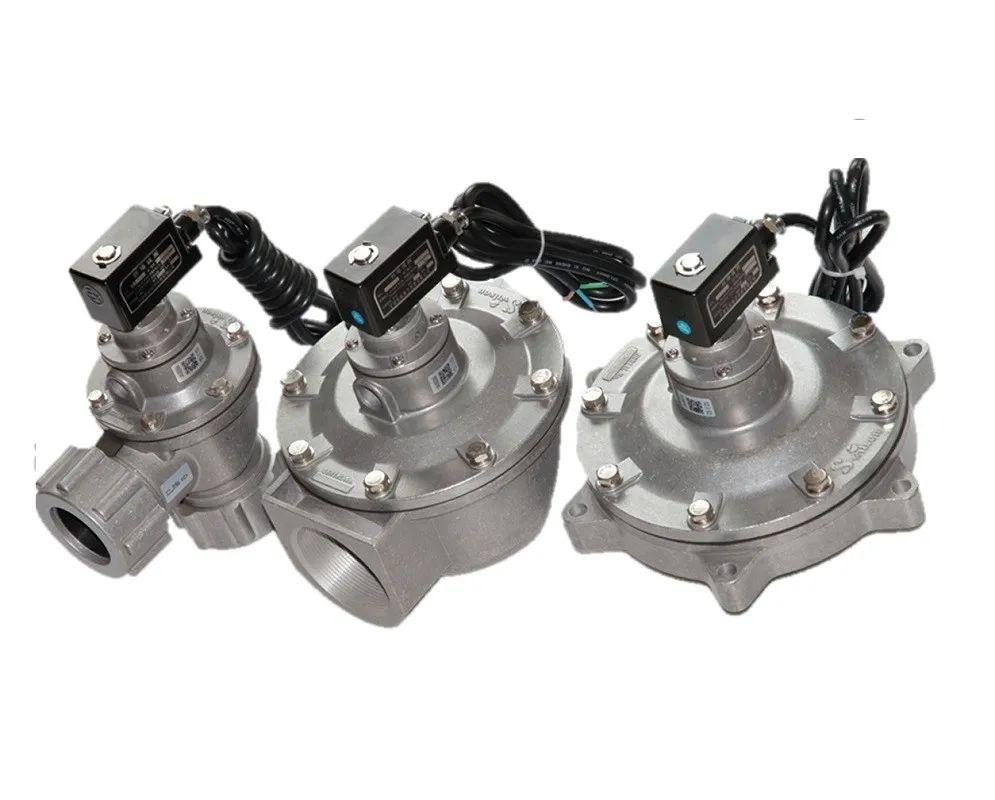
1. What Is a DCF-F Explosion Proof Solenoid Coil?
A solenoid coil is an electromagnetic component that converts electrical energy into mechanical movement. When electrical current passes through the coil, a magnetic field is generated, allowing the connected valve mechanism to open or close according to the control signal.
A DCF-F Explosion Proof Solenoid Coil is specially designed for situations where electrical components must operate safely in potentially explosive environments. Unlike ordinary coils, explosion-proof versions are engineered with protective structures that help prevent internal electrical faults from becoming external hazards.
In industrial environments such as chemical plants, dust-producing workshops, power facilities, and manufacturing areas, combustible materials can create hazardous conditions. Selecting an appropriate explosion-proof coil helps ensure that automated equipment continues operating while meeting the required safety expectations.
Main characteristics of a DCF-F explosion-proof coil
-
Explosion-proof construction: Designed to reduce risks associated with electrical ignition sources in hazardous environments.
-
Sealed protection: Protective sealing helps prevent moisture, dust, and contaminants from affecting internal components.
-
Stable electromagnetic performance: Supports reliable valve control during repeated operating cycles.
-
Industrial compatibility: Commonly used with explosion-proof pulse valves and dust collection systems.
-
Long-term operational reliability: Proper selection and maintenance can help reduce unexpected downtime.
Important consideration: Explosion-proof does not mean suitable for every hazardous environment automatically. Users must confirm the required protection level, operating conditions, voltage specifications, and application requirements before installation.
2. How Does an Explosion Proof Solenoid Coil Work?
The operating principle of an explosion-proof solenoid coil is similar to a standard electromagnetic coil. When the control system sends an electrical signal, current flows through the winding and creates a magnetic field. This magnetic force moves the internal actuator connected to the pulse valve mechanism.
In dust collector applications, the coil controls the opening and closing action of the pulse valve. A short electrical signal activates the valve, allowing compressed air to release and clean filter elements. After the signal disappears, the valve returns to its original position.
The difference is that an explosion-proof coil incorporates additional protective engineering. The housing, insulation, sealing structure, and temperature control features are designed to reduce possible ignition risks during operation.
|
Component
|
Function
|
|
Electromagnetic winding
|
Creates magnetic force when energized.
|
|
Protective housing
|
Provides mechanical protection and environmental resistance.
|
|
Sealing structure
|
Helps prevent moisture and dust intrusion.
|
|
Temperature protection
|
Helps control overheating risks during operation.
|
|
Electrical connection
|
Transfers control signals safely to the coil.
|
A properly selected DCF-F coil works as part of a complete explosion-proof valve system. The coil, valve body, electrical connection, and installation environment must all be considered together.
3. Why Choose Explosion Proof Solenoid Coils?
Industrial buyers often face challenges including safety requirements, equipment downtime, harsh environmental conditions, and maintenance costs. Choosing the correct explosion-proof solenoid coil can help address these concerns.
Improved operational safety
The main purpose of an explosion-proof coil is to provide safer electrical operation in hazardous areas. Protective construction helps reduce the possibility of sparks, overheating, or electrical failures becoming dangerous events.
Reliable valve control
Many industrial processes depend on precise valve operation. A stable solenoid coil helps maintain consistent response during repeated cycles, supporting continuous equipment performance.
Reduced maintenance interruption
Replacing an unsuitable coil frequently can increase labor costs and production downtime. Selecting a properly matched explosion-proof coil from the beginning can improve maintenance efficiency.
Better resistance to industrial environments
Factories may expose electrical components to dust, humidity, temperature changes, and vibration. Explosion-proof coil designs with protective structures can provide better durability under demanding conditions.
```html
4. Where Are DCF-F Explosion Proof Solenoid Coils Used?
Explosion-proof solenoid coils are widely used in industrial environments where electrical components must operate safely under potentially hazardous conditions. The specific application depends on the system design, environmental classification, and valve requirements.
|
Application Field
|
Typical Function
|
Main Considerations
|
|
Dust collection systems
|
Controls pulse valves for compressed air cleaning.
|
Frequent operation cycles, dust exposure, and reliability.
|
|
Chemical processing plants
|
Provides automated valve control in hazardous areas.
|
Chemical resistance and explosion protection requirements.
|
|
Mining facilities
|
Supports pneumatic equipment control.
|
Dust, vibration, and harsh environmental conditions.
|
|
Power generation equipment
|
Controls industrial air and filtration systems.
|
Long operating periods and maintenance accessibility.
|
|
Manufacturing workshops
|
Automates industrial pneumatic processes.
|
Stable electrical performance and environmental protection.
|
For dust removal equipment, a reliable solenoid coil is especially important because pulse valves may operate thousands of times during the equipment lifecycle. A coil with unstable performance can affect cleaning efficiency, increase filter pressure loss, and reduce overall system productivity.
Industrial problems that a suitable coil can help solve
-
Unexpected equipment shutdown: Reliable electromagnetic operation helps reduce valve control failures.
-
Frequent component replacement: Proper specifications improve service life and reduce unnecessary maintenance.
-
Safety concerns in hazardous areas: Explosion-proof designs provide additional protection compared with standard coils.
-
Reduced dust collection efficiency: Stable pulse valve activation helps maintain effective filter cleaning.
5. How to Select the Right DCF-F Explosion Proof Solenoid Coil?
Choosing the correct explosion-proof solenoid coil requires more than checking voltage and size. A complete evaluation should consider electrical specifications, environmental conditions, valve compatibility, and operating requirements.
Step 1: Confirm voltage and electrical specifications
The coil voltage must match the control system. Common industrial applications may use different voltage options depending on the equipment design. Incorrect voltage selection may cause overheating, weak magnetic force, or complete failure.
Step 2: Check compatibility with the valve
A solenoid coil must match the valve model it controls. Before purchasing, confirm the valve series, coil installation method, connection type, and mechanical dimensions.
Step 3: Understand operating environment
Consider factors including temperature range, humidity, dust concentration, vibration, and exposure to chemicals. The selected coil should match the actual working conditions rather than only laboratory conditions.
Step 4: Verify explosion-proof requirements
Different industries may have different hazardous-area requirements. Users should confirm the required protection level, certification requirements, and applicable regulations before installation.
Step 5: Consider operating frequency
Dust collection systems and automated production lines may require frequent valve switching. A suitable coil should be capable of handling the expected operating cycle without excessive heating or performance degradation.
|
Selection Factor
|
Questions to Confirm
|
|
Voltage
|
Does the coil voltage match the control system?
|
|
Valve compatibility
|
Is the coil designed for the specific valve model?
|
|
Environment
|
Can it withstand dust, moisture, temperature, and vibration?
|
|
Protection requirement
|
Does it meet the required hazardous-area protection level?
|
|
Operating frequency
|
Can it support the expected working cycle?
|
6. Important Design Features of Explosion Proof Solenoid Coils
A high-quality explosion-proof solenoid coil combines electrical performance with mechanical protection. Each design feature contributes to safe and stable operation.
Explosion-resistant housing
The outer structure protects internal electrical components and helps contain possible internal faults. The housing design must be suitable for the intended industrial environment.
High-quality electromagnetic winding
The winding is responsible for generating magnetic force. Stable insulation materials and accurate manufacturing processes help maintain consistent performance during repeated operation.
Effective insulation protection
Electrical insulation prevents short circuits and improves reliability when the coil operates under continuous workload conditions.
Environmental sealing
Dust and moisture can affect electrical components over time. Sealing protection helps extend service life in challenging industrial environments.
Heat management capability
Continuous energizing can generate heat. Good thermal design helps prevent excessive temperature rise and protects internal components.
7. Installation Practices for Better Performance
Correct installation plays an important role in achieving the expected performance of a DCF-F Explosion Proof Solenoid Coil. Many failures are caused not by product quality but by incorrect installation methods.
Before installation
-
Check whether the coil model matches the valve and electrical system.
-
Inspect the coil for transportation damage before installation.
-
Confirm that power supply conditions meet product requirements.
-
Ensure the installation environment matches the coil protection specifications.
-
Disconnect power before performing installation work.
During installation
-
Install the coil according to the manufacturer's instructions.
-
Ensure electrical connections are secure and protected.
-
Avoid excessive mechanical impact during assembly.
-
Prevent water, dust, or foreign materials from entering connection areas.
-
Check that the coil is properly positioned on the valve body.
After installation
-
Test valve response before placing equipment into full operation.
-
Observe abnormal heating, noise, or unstable switching.
-
Confirm that the complete system operates according to requirements.
8. Inspection and Maintenance for Long-Term Reliability
Regular inspection helps identify potential problems before they lead to equipment downtime. Maintenance frequency depends on operating conditions, working cycles, and environmental severity.
Recommended inspection points
-
Electrical connection: Check for loose wiring, corrosion, or insulation damage.
-
External condition: Inspect housing damage, cracks, and contamination.
-
Operating temperature: Monitor abnormal heating during operation.
-
Valve response: Confirm that the connected valve opens and closes correctly.
-
Environmental conditions: Review whether dust, moisture, or chemicals exceed expected levels.
Maintenance advice: If a coil repeatedly fails, replacing the component alone may not solve the problem. Check voltage stability, valve condition, installation environment, and operating frequency to identify the real cause.
9. Frequently Asked Questions
Q1. What is a DCF-F Explosion Proof Solenoid Coil?
A DCF-F Explosion Proof Solenoid Coil is an electromagnetic component designed for controlling compatible valves in applications requiring explosion-proof protection. It is commonly used in industrial automation and dust collection systems.
Q2. How does an explosion-proof solenoid coil improve safety?
It uses protective construction to reduce risks associated with electrical faults in hazardous environments. The exact protection capability depends on the product design and applicable certification requirements.
Q3. Can a normal solenoid coil replace an explosion-proof coil?
No. Standard coils may not provide the protection required for hazardous environments. Always use a coil specifically designed and approved for the intended application.
Q4. What information is needed before purchasing a DCF-F coil?
Users should provide valve model information, voltage requirements, operating environment, protection requirements, quantity, and any required certifications or technical documents.
Q5. Where are explosion-proof solenoid coils commonly installed?
They are commonly used in dust collection systems, chemical industries, mining operations, manufacturing equipment, and other industrial environments requiring reliable valve automation.
Q6. How can coil service life be extended?
Correct voltage matching, proper installation, regular inspection, suitable environmental protection, and timely maintenance can help extend operating life.
```