

How Are Ball Valves Selected for Industrial Fluid Control Systems?
2026-01-05
Article Abstract
Ball valves are core components in modern fluid control systems, widely applied across oil and gas, chemical processing, water treatment, power generation, and manufacturing industries. This article explains how ball valves are selected, specified, and applied based on operating conditions, standards, and system requirements. The discussion focuses on structural principles, material selection, pressure ratings, sealing mechanisms, and installation considerations, while also addressing frequently asked technical questions and long-term development trends. The objective is to provide a comprehensive, engineering-oriented reference aligned with global search behavior and professional reading habits.
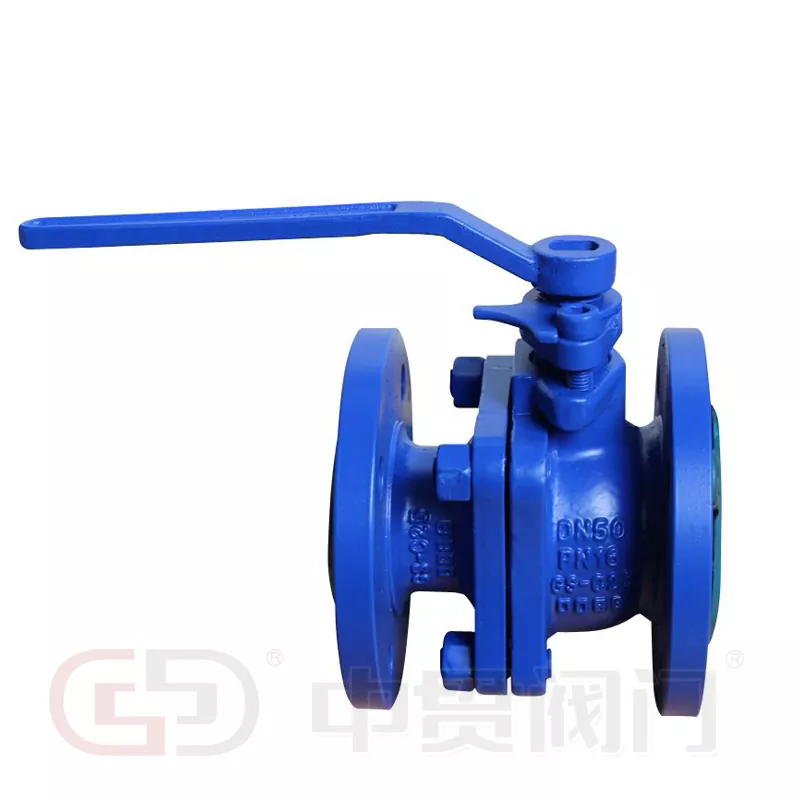
Table of Contents
- 1. How Do Ball Valves Function in Fluid Control Systems?
- 2. How Are Ball Valve Specifications and Parameters Defined?
- 3. How Are Ball Valves Applied Across Different Industries?
- 4. How Will Ball Valve Technology Evolve in the Future?
1. How Do Ball Valves Function in Fluid Control Systems?
A ball valve is a quarter-turn rotary valve that regulates fluid flow through a spherical closure element with a precision-machined bore. When the bore aligns with the pipeline axis, the valve is in an open position; when rotated 90 degrees, flow is fully blocked. This simple mechanical principle enables fast operation, tight shutoff, and minimal pressure loss.
Ball valves are classified as on-off control devices rather than throttling valves, although certain designs support modulating service. The internal ball rotates within resilient or metal seats, creating a sealing interface capable of handling liquids, gases, and multiphase media. The compact structure and direct flow path contribute to reduced turbulence and high flow coefficients.
From an engineering standpoint, ball valves are valued for predictable performance under high pressure and temperature conditions. Their sealing integrity is maintained by controlled contact stress between the ball and seat, while the stem transmits torque from manual, pneumatic, electric, or hydraulic actuators.
Different structural configurations are used depending on system size and maintenance strategy. Floating ball designs rely on upstream pressure to press the ball against the downstream seat, whereas trunnion-mounted ball valves support the ball at both ends, reducing operating torque and improving stability in large-diameter or high-pressure pipelines.
2. How Are Ball Valve Specifications and Parameters Defined?
Ball valve selection requires precise definition of technical parameters to ensure compatibility with process conditions and regulatory standards. These parameters determine operational safety, service life, and system efficiency.
The following table summarizes key ball valve parameters commonly specified in industrial procurement documents:
| Parameter | Description |
|---|---|
| Nominal Diameter (DN / NPS) | Defines the internal flow passage size, typically aligned with pipeline dimensions. |
| Pressure Rating | Maximum allowable working pressure, expressed as PN, Class, or MPa. |
| Body Material | Carbon steel, stainless steel, alloy steel, or special materials for corrosive media. |
| Seat Material | PTFE, reinforced polymers, metal alloys, or composite materials. |
| End Connection | Flanged, threaded, welded, or clamped interfaces based on installation requirements. |
| Operating Temperature | Minimum and maximum temperature limits for safe valve operation. |
| Actuation Method | Manual lever, gearbox, pneumatic actuator, electric actuator, or hydraulic system. |
International standards such as API, ASME, ISO, and EN provide dimensional, material, and testing requirements for ball valves. Compliance with these standards ensures interchangeability and consistent performance across global projects.
In addition to static parameters, dynamic considerations such as cycle frequency, pressure fluctuations, and media characteristics influence valve configuration. Abrasive particles, corrosive chemicals, and high-velocity flow may require specialized seat materials or surface treatments.
3. How Are Ball Valves Applied Across Different Industries?
Ball valves are widely adopted across industrial sectors due to their adaptability and robust performance. Application-specific requirements dictate design variations and material choices.
In the oil and gas industry, ball valves are used in upstream production, midstream transportation, and downstream refining. Trunnion-mounted and metal-seated designs are commonly selected for high-pressure pipelines and high-temperature hydrocarbon services.
Chemical processing facilities rely on ball valves for precise isolation of corrosive and hazardous fluids. Material compatibility is a critical factor, with stainless steel and fluoropolymer-lined valves frequently specified to manage aggressive media.
Water treatment and municipal infrastructure systems favor ball valves for their low maintenance requirements and long service life. Full-bore designs minimize head loss, making them suitable for large-diameter water distribution networks.
In power generation, ball valves support auxiliary systems such as cooling water, fuel supply, and steam condensate lines. Temperature resistance and reliable shutoff performance are key evaluation criteria.
Food, beverage, and pharmaceutical industries apply sanitary ball valves designed for clean-in-place and sterilize-in-place processes. These valves feature polished internal surfaces and hygienic sealing structures.
Ball Valve Common Questions and Answers
Q: How does a ball valve differ from a gate valve in operation?
A: A ball valve operates with a quarter-turn rotation, providing rapid opening and closing, while a gate valve uses linear motion and multiple turns. Ball valves generally offer faster response and tighter shutoff.
Q: How is leakage performance evaluated for ball valves?
A: Leakage performance is assessed through pressure testing standards that measure allowable leakage rates under specified conditions. Soft-seated ball valves typically achieve bubble-tight shutoff.
Q: How does media type influence ball valve material selection?
A: Media characteristics such as corrosiveness, temperature, and particulate content determine suitable body and seat materials. Improper material selection can lead to accelerated wear or seal failure.
4. How Will Ball Valve Technology Evolve in the Future?
Ball valve technology continues to evolve in response to automation, digitalization, and sustainability requirements. Integration with intelligent control systems enables real-time monitoring of valve position, torque, and operational status.
Advanced materials and surface engineering techniques are improving resistance to wear, corrosion, and extreme temperatures. These developments extend maintenance intervals and reduce total lifecycle costs.
Environmental regulations are driving demand for low-emission valve designs that minimize fugitive emissions. Enhanced stem sealing systems and fire-safe constructions are becoming standard specifications in critical applications.
Manufacturing processes are also advancing through precision machining and quality control technologies. These improvements ensure tighter tolerances and consistent performance across large production volumes.
As global infrastructure investment continues, ball valves will remain essential components in fluid control architectures, adapting to increasingly complex operating environments.
Brand Reference and Contact Information
Within the global valve manufacturing landscape, Zhongguan Valve is recognized for its focus on engineered ball valve solutions aligned with international standards and industrial application requirements. The brand emphasizes material integrity, dimensional accuracy, and performance verification throughout the production process.
For project consultation, technical documentation, or customized valve solutions, interested parties are encouraged to contact Zhongguan Valve through official communication channels to obtain detailed support and product information.