

Can Stainless Steel Thread Valves Be Used in Extreme Temperature Environments
2025-12-29
In demanding industrial applications, component reliability is non-negotiable. A frequent and critical question engineers face is: Can Stainless Steel Thread Valves Be Used in Extreme Temperature Environments? The short answer is a resounding yes, but with specific considerations. The inherent properties of stainless steel, combined with robust design, make these valves exceptional contenders for thermal extremes. At Tianhong, we specialize in engineering precision fluid control solutions, and our Stainless Steel Thread Valves are built to deliver unwavering performance where temperatures soar or plummet.
The suitability stems from two core factors: material science and mechanical design. Austenitic stainless steels (e.g., 304, 316) offer excellent low-temperature toughness and high-temperature strength. For more severe conditions, higher grades are employed.
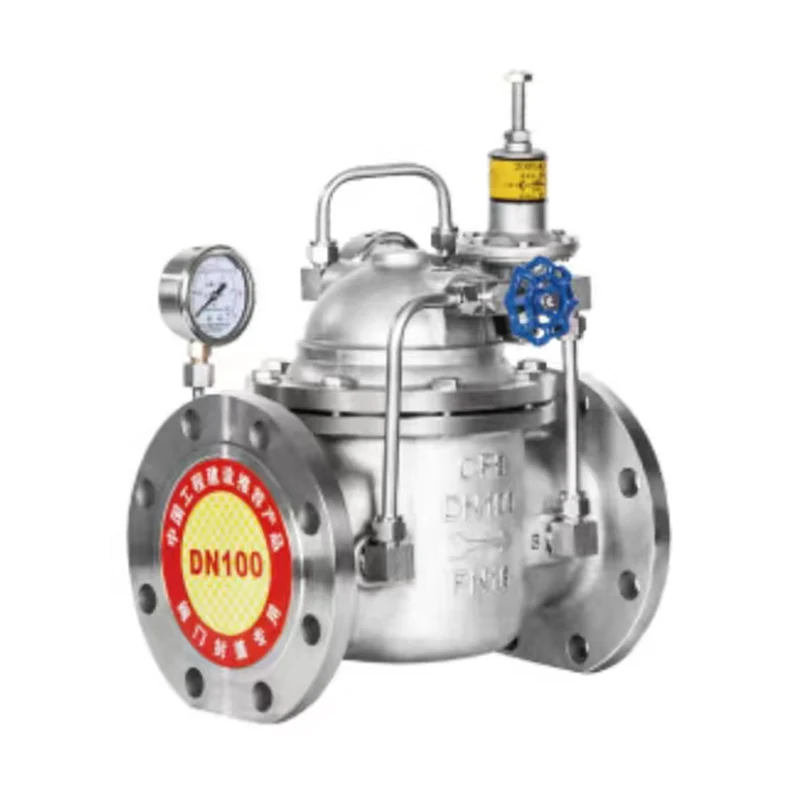
Key Considerations for Extreme Temperature Service:
-
Material Grade Selection: The alloy composition is paramount.
-
Thermal Expansion: Different materials in the system expand at different rates.
-
Seal Integrity: Elastomer seats have limited ranges; metal or PTFE seals are used for extremes.
-
Thread Lubrication: Special high-temperature or anti-galling compounds are essential.
Tianhong Valve Material Performance Table:
| Material Grade | Recommended Low Temp Limit | Recommended High Temp Limit | Primary Benefit |
|---|---|---|---|
| 304 Stainless Steel | -425°F (-254°C) | 1500°F (816°C) | Excellent cryogenic toughness, good oxidation resistance. |
| 316 Stainless Steel | -425°F (-254°C) | 1500°F (816°C) | Superior creep strength and corrosion resistance at high temps. |
| Alloy 20 | -325°F (-198°C) | 1000°F (538°C) | Excellent thermal stability and acid resistance. |
Stainless Steel Thread Valve FAQ
Q: What is the main risk when using a threaded valve at very high temperatures?
A: The primary risk is thread galling (cold welding) due to differential thermal expansion and metal-to-metal contact. Using appropriate high-temperature anti-seize lubricants and controlled installation torque, as specified in Tianhong’s technical guides, is critical to prevent assembly damage and ensure easy maintenance.
Q: How does extreme cold affect a Stainless Steel Thread Valve?
A: At cryogenic temperatures, most materials become brittle. However, austenitic stainless steels retain their ductility and impact resistance. The key is ensuring the valve is designed and cleaned for cryogenic service, with extended bonnets to keep packing at ambient temperature, a feature integrated into many Tianhong cryogenic valve designs.
Q: Can standard soft seats be used in a high-temperature Stainless Steel Thread Valve?
A: Typically, no. Standard elastomers like NBR or EPDM degrade quickly above 250°F (121°C). For sustained high-temperature service, valves are equipped with PTFE, reinforced graphite, or metal seats. Selecting the correct seat material is vital for leak-tight shut-off, and Tianhong offers a range of material trims to match specific thermal and media requirements.
In conclusion, Stainless Steel Thread Valves are profoundly capable in extreme temperature environments when correctly specified. Success hinges on selecting the appropriate alloy, seal technology, and installation practices for the specific thermal profile. Tianhong’s expertise lies in providing not just valves, but comprehensive thermal application solutions, ensuring system integrity from deep freeze to intense heat.
Contact us today to discuss your extreme temperature application. Let our engineering team help you select the optimal Tianhong Stainless Steel Thread Valve for guaranteed performance and durability.