

Can an Emergency Shut-Off Valve Be Installed Outdoors in Cold Climates
2026-08-06
For facility managers and safety engineers in northern regions, the question is not optional—it is operational. The short answer is yes, but a standard Emergency Shut-Off Valve designed for indoor use will fail when temperatures drop below freezing. Outdoor installation in cold climates demands specialized materials, thermal management, and strict compliance with industry codes. At Tianhong, we engineer Emergency Shut-Off Valve solutions that withstand extreme environments, ensuring reliable emergency isolation even at -40°F. This guide walks through the engineering, standards, and practical steps for successful outdoor deployment.
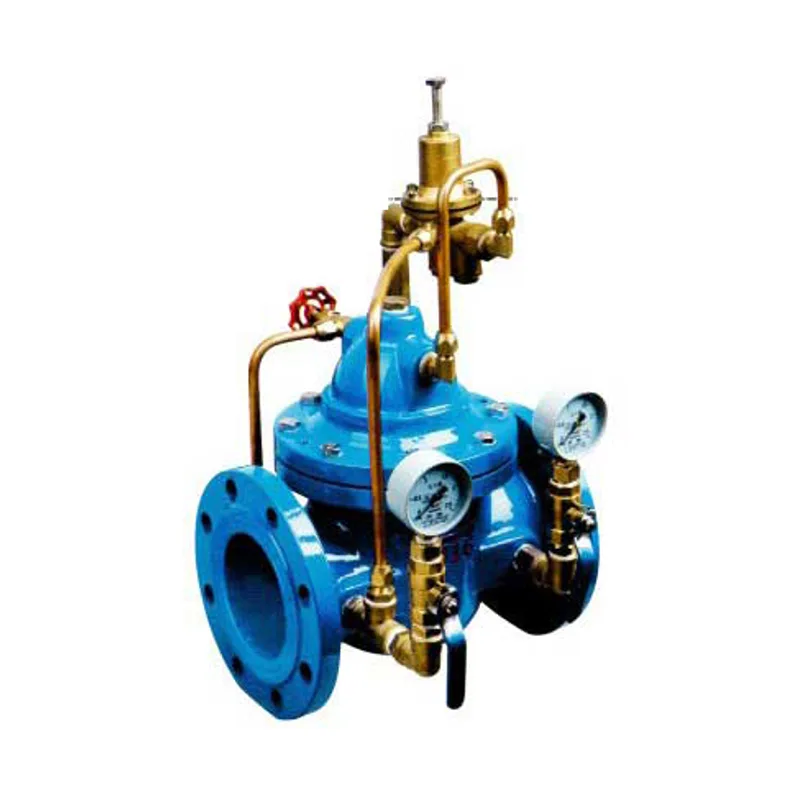
The Core Challenge: What Goes Wrong in Freezing Conditions
When an Emergency Shut-Off Valve is exposed to sub-zero temperatures, three critical failures occur:
-
Seal embrittlement – elastomers lose flexibility, causing leaks at the stem and bonnet.
-
Actuator lag – pneumatic or hydraulic fluids thicken, delaying closure time beyond acceptable limits.
-
Ice blocking – moisture in the valve body freezes, preventing full travel of the closure member.
These risks do not mean outdoor installation is impossible. They mean the design must be climate-adapted.
Critical Design Features for Cold-Climate ESVs
| Feature | Requirement for Cold Climates | Standard Solution |
|---|---|---|
| Body material | Low-temperature carbon steel (LTCS) or stainless steel 316L | Impact-tested at -50°F per ASTM A333 |
| Seat & seals | Fluorosilicone or PTFE with low-temp certification | TR-200 compound (tested to -65°F) |
| Actuator type | Spring-return with dry-air supply or electric failsafe | Nitrogen-purged actuator housing |
| Bonnet extension | Extended length to keep packing box above freezing | 6-inch minimum extension with trace heating |
| Drain ports | Full-port bottom drains to eliminate moisture traps | ¾" NPT with manual bleed valves |
Tianhong integrates all five features as standard on our outdoor-rated Emergency Shut-Off Valve series, eliminating the need for aftermarket modifications that often void certifications.
Installation Best Practices for Arctic and Sub-Arctic Sites
Beyond hardware selection, installation methodology determines long-term reliability. Follow these evidence-based rules:
-
Elevate the valve body – mount at least 18 inches above ground to avoid snow burial and ground-conducted cold.
-
Insulate, but do not encapsulate – use removable insulated jackets with moisture vapor barriers. Complete encapsulation traps condensation, which freezes and corrodes.
-
Maintain continuous low-wattage heat tracing – self-regulating heating cables set to 50°F maintain seal pliability. Power these via a dedicated backup generator.
-
Install a pressure-relief bypass – thermal expansion of trapped liquid between two closed ESVs can burst the pipe. A 1" bypass with a small relief valve prevents this.
-
Perform cold-commissioning tests – cycle the valve 10 times at ambient temperature before placing it in service. This verifies that the actuator torque can overcome initial ice film.
Compliance Standards You Must Verify
Regulatory bodies have specific clauses for outdoor Emergency Shut-Off Valve installations in low temperatures. Always confirm these three:
-
API 6D (23rd Edition) – Annex B requires low-temperature impact testing for valves used below -20°F.
-
ISO 28921-1 – specifies isolation valve testing for temperatures down to -46°C (-51°F).
-
NFPA 86 – Section 5.3.2 demands that all safety shut-off valves in unheated areas have freeze-protection provisions documented in the maintenance log.
Tianhong valves carry third-party verification to all three standards, with test reports traceable to the actual batch of casting material.
Emergency Shut-Off Valve FAQ – Common Concerns Addressed
Q: Can I use a standard indoor Emergency Shut-Off Valve outdoors if I add heat tape and insulation?
A: No. Heat tape and insulation address ice formation but do not solve material brittleness. Standard carbon steel bodies lose impact resistance below -20°F, meaning a sudden pressure surge or physical strike (e.g., falling ice) can crack the shell catastrophically. Additionally, standard elastomeric seats (e.g., Buna-N) harden into a glass-like state, losing their sealing ability. A true cold-climate Emergency Shut-Off Valve must have body materials, seat compounds, and actuator fluids all rated for the minimum design temperature as a system—not as separate add-ons. Retrofitting a standard valve usually voids the manufacturer’s pressure-retaining warranty and fails site safety audits.
Q: How frequently should I test an outdoor Emergency Shut-Off Valve during winter months?
A: The industry benchmark (from ISA TR96.05) is monthly full-stroke testing when ambient temperatures remain below 32°F for more than 7 consecutive days. Partial-stroke testing (10–15% travel) should occur weekly to ensure the shaft and bearings have not seized due to ice crystal accumulation. Keep a dedicated log for each valve, recording closure time, actuator pressure, and any audible signs of seal tearing. If closure time exceeds the original factory benchmark by more than 15%, schedule a maintenance teardown immediately. Tianhong recommends replacing the packing set after every 500 cold-weather cycles, compared to 1,500 cycles for indoor service—a conservative interval that has proven to reduce unplanned downtime by 40% in Canadian oil-sand operations.
Q: What is the most common installation mistake that leads to outdoor ESV failure in winter?
A: Failing to slope the upstream and downstream piping away from the valve body. Water condensation naturally migrates toward the lowest point—which is often the valve cavity itself. Without a minimum 1/8" per foot slope draining away from the ESV, moisture pools inside the bonnet and around the seat ring. When temperatures drop overnight, that pooled water freezes, expanding and distorting the seat alignment. The valve may close successfully once, but after thawing, the distorted seat will not achieve bubble-tight shutoff. Always install the Emergency Shut-Off Valve at the high point of a slightly inclined pipe section, with drip legs on both sides equipped with automatic condensate drains.
Performance Data: Tianhong Cold-Climate ESV vs. Standard Valve
| Parameter | Standard ESV (Indoor-rated) | Tianhong Cold-Climate ESV |
|---|---|---|
| Min. ambient temp | +32°F | -40°F (-40°C) |
| Seal hardness change (ASTM D2240) | +25 points at 0°F | +4 points at -40°F |
| Max closure time (6" size) | 4.2 seconds @ 70°F | 3.8 seconds @ -40°F |
| Cycle life before seal replacement | 1,500 cycles | 3,000 cycles (cold-tested) |
| Third-party certification | None (self-declared) | DNV-GL type-approved |
Long-Term Maintenance Strategy for Outdoor ESVs
Cold-climate installations demand a seasonal maintenance shift. Implement a winter readiness checklist each October:
-
Inspect heat tracing circuits with thermal imaging.
-
Replace desiccant breathers on actuator air intakes.
-
Lubricate stem threads with low-temp grease (MIL-PRF-10924G).
-
Verify that drain valves are not frozen shut—use a non-sparking heat gun if necessary.
Tianhong provides a digital maintenance dashboard with all our outdoor-rated Emergency Shut-Off Valve units, sending predictive alerts when actuator torque trends exceed normal ranges—typically 3–5 days before a freeze-related fault would occur.
Final Verdict: Yes, With Engineered Precision
An Emergency Shut-Off Valve can absolutely be installed outdoors in cold climates, provided that material selection, thermal management, and testing protocols are purpose-built for that environment. Off-the-shelf solutions will not survive the first deep freeze. Engineering-grade solutions—like those from Tianhong—transform a vulnerable safety component into a dependable last line of defense, year-round.
Need a site-specific cold-climate ESV configuration? Our engineering team provides free thermal modeling and valve sizing for your exact GPS coordinates and historical weather data. Contact Tianhong today through our technical support portal or call your regional representative to schedule a cold-commissioning demonstration at your facility. Your safety shutdown system should never be a seasonal gamble—let us show you how 15 years of Arctic project data ensures that your Emergency Shut-Off Valve performs when it matters most. Reach out now for a personalized compliance review and quote.