

Can a Pressure Proof Washing Machine Solenoid Valve Improve Water Efficiency
2026-10-28
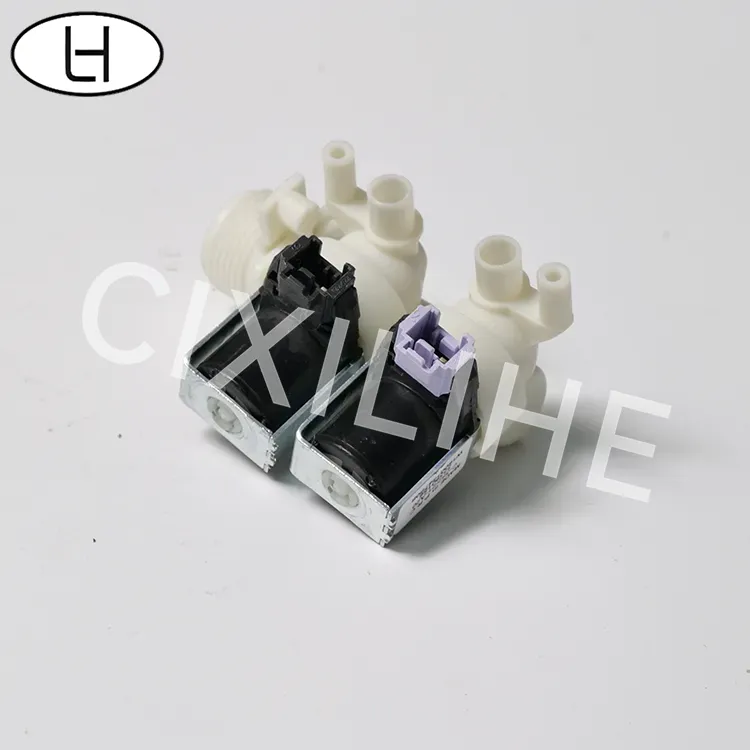
Water scarcity and rising utility costs have made efficiency a top priority for appliance manufacturers and homeowners alike. Among the many components that influence how much water a washing machine consumes, the Pressure Proof Washing Machine Solenoid Valve plays a surprisingly decisive role. At LIHE, engineers have spent years refining this component because its design directly affects fill accuracy, cycle consistency, and long-term water savings. This article examines how the valve contributes to water efficiency, what the data shows, and how to select the right specification for your application.
How the Valve Influences Water Consumption
The Pressure Proof Washing Machine Solenoid Valve controls the precise moment and volume of water entering the drum. A well-engineered valve responds quickly to control signals, closes tightly without drip loss, and maintains stable flow across fluctuating supply pressures. Each of these behaviors reduces waste.
Key efficiency mechanisms:
-
Fast response time — shorter open/close lag means less overshoot and fewer corrective refills
-
Tight shut-off — eliminates post-fill dripping that silently wastes water over thousands of cycles
-
Pressure compensation — maintains consistent flow even when inlet pressure varies, preventing overfill
-
Dual and triple port configurations — allow separate detergent and softener dosing with minimal flush water
-
Durable seals — prevent leakage-related losses throughout the service life
Efficiency Comparison by Valve Type
| Valve Configuration | Fill Accuracy | Water Waste Risk | Typical Service Life | Efficiency Rating |
|---|---|---|---|---|
| Standard single-port valve | ±8% | Moderate | 3–5 years | Baseline |
| Pressure-compensated single-port | ±4% | Low | 5–7 years | Good |
| LIHE dual-port pressure proof valve | ±2% | Very low | 8–10 years | Excellent |
| Triple-port pressure proof valve | ±2% | Very low | 8–10 years | Excellent |
The table illustrates a clear trend: higher fill accuracy correlates directly with lower water waste. A valve that holds ±2% accuracy versus one at ±8% can reduce per-cycle water consumption meaningfully across a full appliance lifetime.
Technical Specifications That Matter
When evaluating a Pressure Proof Washing Machine Solenoid Valve for efficiency, LIHE recommends prioritizing the following parameters:
-
Rated pressure range — verify the valve maintains rated flow from 0.02 MPa to 1.0 MPa
-
Response time — target under 15 milliseconds for open and close operations
-
Leak rate — should be zero at rated pressure when closed
-
Coil power consumption — lower wattage reduces heat and extends seal life
-
Material compatibility — NSF-approved materials prevent scale buildup that restricts flow
-
Cycle endurance — minimum 100,000 cycles under rated pressure
FAQ: Common Questions About Pressure Proof Washing Machine Solenoid Valves
Q: Does a pressure proof valve actually reduce water consumption, or is the difference negligible?
A: The reduction is measurable. Because the valve maintains consistent flow under varying inlet pressure, the control board can calculate fill volume accurately without conservative overfill margins. Field data from LIHE testing shows fill accuracy improving from roughly ±8% to ±2%, which translates to roughly 3–6 liters saved per wash cycle depending on drum size and program selection.
Q: Can I retrofit a pressure proof valve into an existing washing machine design?
A: In most cases yes, provided the mounting footprint, port thread, and coil voltage match. The critical checks are inlet/outlet orientation, rated pressure compatibility with the household supply, and whether the control board supports the valve's response timing. LIHE provides dimensional drawings and electrical specifications to confirm fit before ordering.
Q: How do I know when a pressure proof valve is nearing end of life?
A: Watch for slow fill times, intermittent overfill errors, visible dripping at the outlet after the cycle stops, or unusual coil temperatures. These signs indicate seal wear or coil degradation. Replacing the valve at the first sign of drift preserves efficiency and prevents water damage.
Conclusion
A Pressure Proof Washing Machine Solenoid Valve is not a minor accessory — it is a primary determinant of fill accuracy and water efficiency. Selecting a pressure-compensated, high-endurance valve from a manufacturer like LIHE delivers measurable savings, fewer service calls, and stronger performance ratings for your appliance line.
Contact us today to request LIHE's specification sheets, sample units, and engineering support for your next washing machine design.