

Butterfly Valve Installation and Maintenance Best Practices
2025-09-03
Butterfly valves are essential components in numerous industrial applications, offering efficient flow control and reliability. Proper installation and maintenance are critical to ensuring their longevity and optimal performance. This comprehensive guide covers best practices for installing and maintaining butterfly valves, with a special focus on Pet Butterfly Valve products from Shengshi Huagong. We will delve into detailed product specifications, provide step-by-step procedures, and highlight key parameters to help you maximize the value of your valve systems.
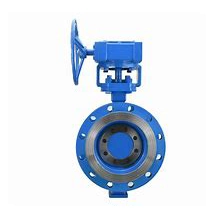
Understanding Butterfly Valves
Butterfly valves are quarter-turn valves that regulate flow using a rotating disc. They are widely used in industries such as petroleum, chemical, water treatment, and HVAC due to their compact design, cost-effectiveness, and ease of operation. Shengshi Huagong specializes in high-performance Pet Butterfly Valve solutions, engineered to meet stringent industry standards and excel in demanding environments.
Product Specifications of Shengshi Huagong’s Pet Butterfly Valve
Shengshi Huagong’s Pet Butterfly Valve series is designed for durability, precision, and efficiency. Below are the key parameters that define our product range:
Key Features:
-
Robust construction resistant to corrosion and high pressure
-
Bubble-tight sealing for zero leakage
-
Low operating torque for ease of use
-
Compatible with a wide range of media, including oil, gas, water, and chemicals
Technical Parameters:
| Parameter | Specification |
|---|---|
| Size Range | 2" to 48" (DN50 to DN1200) |
| Pressure Rating | ANSI 150 to ANSI 600 |
| Temperature Range | -40°F to 600°F (-40°C to 315°C) |
| Body Material | Carbon Steel, Stainless Steel, Ductile Iron, Alloy Steel |
| Disc Material | Stainless Steel 316, Coated with Anti-Corrosion Layers |
| Seat Material | EPDM, PTFE, Metal-Seated Options |
| Operation Type | Manual, Gear, Electric, Pneumatic Actuation |
| End Connection | Wafer, Lug, Double Flange |
| Standards Compliance | API 609, ISO 5752, ASME B16.34 |
Applications:
-
Oil and gas pipelines
-
Refining and petrochemical processes
-
Water and wastewater treatment
-
Power generation plants
Installation Best Practices
Proper installation is crucial to the performance and lifespan of a butterfly valve. Follow these steps to ensure correct installation:
-
Pre-Installation Inspection
-
Check the valve for any visible damage during shipping.
-
Verify that the valve specifications match the application requirements.
-
Ensure the pipe flange is clean and free of debris.
-
-
Alignment and Positioning
-
Align the valve between flanges carefully to avoid stress on the valve body.
-
Do not use the valve to compensate for pipe misalignment.
-
-
Bolting Procedure
-
Use evenly torqued bolts to secure the valve between flanges.
-
Follow a crisscross pattern when tightening bolts to ensure uniform pressure.
-
-
Actuator Installation
-
If the valve is equipped with an actuator, ensure it is mounted according to the manufacturer’s instructions.
-
Check for proper alignment between the actuator and the valve stem.
-
-
Post-Installation Testing
-
Perform a pressure test to verify there are no leaks.
-
Cycle the valve several times to ensure smooth operation.
-
Maintenance Best Practices
Regular maintenance extends the service life of butterfly valves and prevents unexpected failures. Here’s a structured maintenance approach:
Routine Inspection Checklist:
-
Inspect for leaks around the seat and stem.
-
Check actuator performance and responsiveness.
-
Look for signs of corrosion or wear on the valve body and disc.
Common Maintenance Tasks:
| Task | Frequency | Procedure |
|---|---|---|
| Visual Inspection | Monthly | Check for external damage, leaks, and corrosion. |
| Operational Test | Quarterly | Cycle the valve fully to ensure smooth operation. |
| Seal Replacement | As needed | Replace seat seals if leakage is detected during testing. |
| Actuator Servicing | Annually | Lubricate moving parts and verify electrical connections (if applicable). |
| Full Overhaul | Every 3-5 years | Disassemble, clean, and inspect internal components. Replace worn parts. |
Troubleshooting Common Issues:
-
Leakage: Often caused by worn seals or misalignment. Replace seals and realign if necessary.
-
Hard Operation: May result from debris buildup or stem corrosion. Clean and lubricate the stem.
-
Partial Flow obstruction: Check for disc obstruction or actuator failure.
Why Choose Shengshi Huagong’s Pet Butterfly Valve?
Shengshi Huagong has built a reputation for excellence in manufacturing industrial valves. Our Pet Butterfly Valve range combines precision engineering with robust materials, ensuring reliability in critical applications. With certifications compliant with international standards and a commitment to quality, we provide valves that stand the test of time.
Conclusion
Butterfly valves are vital to industrial operations, and their performance depends heavily on proper installation and maintenance. By following the best practices outlined above, you can enhance the efficiency and lifespan of your valve systems. Shengshi Huagong’s Pet Butterfly Valve products are designed to deliver unmatched performance and durability. We invite you to experience the difference that quality engineering makes.
As the lead engineer at Shengshi Huagong, I personally guarantee the reliability and efficiency of our products. Reach out to us today with your requirements or for technical support—let’s work together to optimize your flow control systems. Leave your inquiry at [email protected], and our team will respond promptly.