

UL FM Grooved Butterfly Valve Supplier: Choosing Your Best Industrial Partner
2025-12-25
In the demanding world of industrial applications, selecting the right UL FM Grooved Butterfly Valve supplier isn't just a purchase; it's a commitment to safety, efficiency, and long-term reliability. With so many options available, how do you ensure you're partnering with a provider that truly understands your operational needs and delivers consistent quality? This guide explores the critical factors that distinguish top-tier suppliers, helping you make an informed decision for your facilities. As you navigate these considerations, discover why DRIFCO has become a trusted name for professionals seeking robust valve solutions backed by expertise and innovation. Let's dive into what sets the best apart and how the right partnership can transform your system's performance.
How Grooved Butterfly Valves Solve Industrial Flow Challenges
In many industrial settings, managing fluid flow efficiently can be a real headache, with issues like pressure drops, corrosion, and complex maintenance routines slowing down operations. Grooved butterfly valves step in as a game-changer, offering a streamlined solution that tackles these challenges head-on. Unlike traditional valves that may require extensive welding or threading, their grooved ends allow for quick and easy installation, reducing downtime and labor costs significantly. This design not only speeds up assembly but also enhances flexibility, making it simpler to adapt pipelines to changing needs without major disruptions. By minimizing leaks and ensuring a tight seal, these valves help maintain consistent flow rates, which is crucial for processes that depend on precise control, such as in chemical plants or water treatment facilities.
What sets grooved butterfly valves apart is their ability to handle a wide range of temperatures and pressures, from low-viscosity liquids to abrasive slurries, without compromising performance. The grooved connection method distributes stress more evenly across the valve body, reducing the risk of failure under harsh conditions. This durability translates to fewer replacements and lower long-term expenses, as they can withstand wear and tear better than many alternatives. Additionally, their compact and lightweight design makes them ideal for space-constrained environments, where bulkier valves might not fit or could require additional support structures. Industries like oil and gas, HVAC systems, and food processing benefit greatly from this versatility, as it allows for smoother operations with less hassle.
Beyond just functionality, grooved butterfly valves bring an edge in terms of safety and environmental considerations. The secure grooved joints minimize the chances of accidental disconnections, which is vital in high-risk areas prone to spills or contamination. They also promote better hygiene in sectors like pharmaceuticals or beverage production, where cleanliness is paramount, thanks to their smooth surfaces that resist buildup and are easy to clean. By optimizing flow with minimal turbulence, these valves contribute to energy savings, as pumps and other equipment don't have to work as hard to move fluids through the system. In essence, they not only solve immediate flow problems but also support sustainable practices by reducing waste and improving overall efficiency, making them a smart choice for forward-thinking industries.
Key Features That Set High-Performance UL FM Butterfly Valves Apart
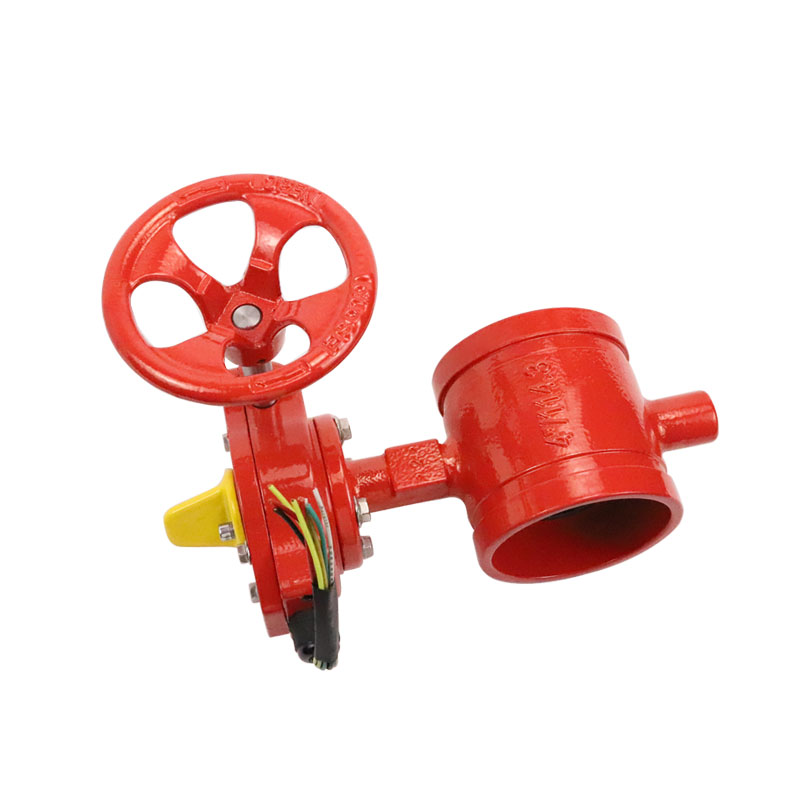
In the world of industrial fluid control, UL FM butterfly valves stand out for their unique construction, which includes a durable disc design that minimizes pressure drop while ensuring reliable shutoff. Unlike standard valves, these models often incorporate advanced sealing materials that withstand extreme temperatures and corrosive environments, making them ideal for demanding applications such as fire protection systems or chemical processing plants.
A key differentiator is their enhanced actuation compatibility, allowing for seamless integration with automated systems for precise flow regulation. This feature not only boosts efficiency but also reduces maintenance downtime, as the valves are engineered to handle frequent cycling without wear and tear. Additionally, many high-performance versions offer bi-directional sealing capabilities, providing versatility in complex piping configurations where flow direction might change.
Beyond durability, these valves are rigorously tested to meet stringent UL and FM standards, ensuring compliance with safety and performance benchmarks. This certification process ensures that every valve delivers consistent, leak-free operation, giving engineers and operators peace of mind in critical scenarios. With options for various sizes and customizations, they offer a tailored solution that adapts to specific operational needs, making them a smart investment for long-term reliability and cost-effectiveness.
Navigating Certification Standards for Industrial Valve Suppliers
Navigating the maze of certification standards for industrial valve suppliers isn't just about ticking boxes—it's crucial for meeting client expectations and ensuring safety in demanding applications. With standards like ISO 9001 for quality management and API 600 for steel gate valves, suppliers must adapt to specific requirements based on factors like industry (e.g., oil and gas or water treatment) and regional regulations, such as those from ASME in the U.S. or PED in Europe.
Practical challenges often arise during audits and certification processes, where suppliers might face issues like outdated equipment or documentation gaps. To tackle these, proactive measures like regular internal audits and investing in advanced technology can make a real difference, helping avoid costly delays and reinforcing reliability.
Beyond compliance, aligning with standards can become a strategic edge. Suppliers who integrate certifications into their core operations, such as through employee training and transparent quality control, not only build trust but also stand out in competitive markets, opening doors to new opportunities and long-term partnerships.
Practical Considerations for Selecting a Grooved Valve Partner
When choosing a partner for grooved valve systems, it's crucial to look beyond basic product catalogs and delve into their real-world responsiveness and support capabilities. A reliable partner should offer not just components but actionable advice on installation challenges, such as handling tight spaces or specific fluid media. Consider how quickly they can provide on-site assistance or custom solutions when unexpected issues arise during your projects, as this can significantly reduce downtime and ensure smoother operations.
Another key factor is evaluating the partner's quality control and compliance standards, as these directly impact the longevity and safety of your valve installations. Look for certifications like ISO or industry-specific approvals, and ask for case studies or references to verify performance in similar applications. It’s also wise to assess their innovation track record—partners that actively update their product lines with improved materials or designs can help future-proof your systems against emerging challenges like corrosion or higher pressure demands.
Lastly, don't overlook the importance of partnership dynamics, including communication clarity and long-term commitment. A good partner will engage in transparent discussions about pricing, lead times, and potential supply chain risks, fostering a collaborative relationship rather than a transactional one. This approach ensures that as your needs evolve, you have a trusted ally to adapt solutions that keep your operations efficient and cost-effective over time.
Ensuring Long-Term Reliability in Butterfly Valve Operations
In industrial settings, achieving long-term reliability in butterfly valve operations hinges on proactive maintenance strategies that go beyond basic inspections. This involves implementing condition-based monitoring systems that track parameters like torque, vibration, and seal integrity in real-time, allowing operators to predict failures before they occur. By integrating these data-driven insights with regular lubrication and cleaning schedules, facilities can significantly extend valve lifespan and minimize unplanned downtime.
Material selection and design choices play a crucial role in reliability, as valves must withstand specific environmental stressors such as corrosion, high temperatures, or abrasive media. Opting for advanced alloys, resilient seat materials, and robust shaft designs tailored to the application ensures sustained performance under demanding conditions. Additionally, proper installation and alignment are critical; even minor misalignments can lead to premature wear, leaks, or operational inefficiencies over time.
To further enhance long-term reliability, adopting a holistic approach that includes operator training and standardized procedures is essential. Educating personnel on correct handling, such as avoiding over-tightening or abrupt cycling, prevents mechanical stress that compromises valve integrity. Coupled with detailed documentation of maintenance history and performance trends, this comprehensive strategy fosters a culture of reliability, ensuring butterfly valves operate seamlessly for years with minimal intervention.
Evaluating Supplier Support and Customization Capabilities
When assessing a supplier's support capabilities, it's essential to look beyond just basic service offerings. Consider their responsiveness to inquiries—do they provide clear, timely answers, and are there dedicated points of contact? A strong support team often includes proactive solutions, such as regular updates on order status or quick troubleshooting assistance, which can significantly reduce downtime and enhance your operational efficiency. Additionally, evaluate the availability of technical documentation, training resources, or on-site support if needed, as these elements contribute to a seamless partnership.
Customization capabilities play a crucial role in meeting specific business needs, especially in industries where one-size-fits-all solutions fall short. Assess whether the supplier can tailor products or services to fit your unique requirements—this might involve modifying designs, adjusting production processes, or integrating with existing systems. Look for examples of past projects where they've successfully implemented custom features, and inquire about their flexibility in handling changes or scaling up operations. A supplier with robust customization skills can help you gain a competitive edge by delivering precisely what you need.
To differentiate from competitors, focus on evaluating how these support and customization aspects integrate into the overall supplier relationship. For instance, some suppliers might offer collaborative workshops to co-create solutions, ensuring alignment with your goals from the start. Others might provide ongoing innovation support, continuously adapting their offerings based on market trends or feedback. By prioritizing suppliers who demonstrate a deep understanding of your business and a willingness to evolve, you can build a more resilient and dynamic supply chain that stands out in the industry.
FAQ
Look for suppliers with a strong track record in certifications, customization options, and industry expertise, as these ensure product reliability and compliance with safety standards.
UL and FM certifications guarantee that the valves meet rigorous safety and performance standards, reducing fire risks and ensuring durability in demanding industrial environments.
Industries like fire protection, HVAC, water treatment, and manufacturing rely on these valves for their safety features, efficiency, and ease of installation in piping systems.
Robust technical support and responsive after-sales service minimize downtime and ensure smooth valve integration, making them critical for long-term operational success.
Expect options such as material variations, size ranges, and tailored pressure ratings to match specific project needs, enhancing flexibility and application suitability.
Experienced suppliers offer deeper insights into compliance and application challenges, helping avoid costly errors and ensuring optimal valve performance over time.
Grooved connections provide quicker installation, easier maintenance, and reduced labor costs, making them a preferred choice for modern industrial systems.
Check for features like high-quality materials, corrosion resistance, and rigorous testing protocols, which collectively enhance valve lifespan and reliability in harsh conditions.
Conclusion
Choosing the best industrial partner for UL FM grooved butterfly valves involves a comprehensive evaluation that goes beyond basic product specifications. It starts with understanding how these valves solve critical flow challenges in industrial settings, such as providing efficient on-off control with minimal pressure drop and easy installation due to their grooved design. High-performance valves distinguish themselves through features like robust construction, corrosion-resistant materials, and tight-sealing capabilities, which are essential for reliability in demanding applications. Additionally, navigating certification standards like UL and FM is crucial, as these ensure safety, compliance, and quality, helping to filter out suppliers who may not meet rigorous industrial requirements.
Practical considerations for selecting a supplier include assessing their ability to provide tailored solutions and robust support. Key factors involve evaluating the supplier's expertise in customization to fit specific project needs, their track record in ensuring long-term reliability through durable designs and maintenance support, and the availability of comprehensive services like training and technical assistance. By focusing on these aspects, businesses can secure a partnership that not only delivers high-quality valves but also enhances operational efficiency and safety, making it a strategic investment for sustainable industrial flow management. Ultimately, a well-chosen supplier acts as a reliable ally in optimizing valve performance and minimizing downtime.
Contact Us
Contact Person: George
Email: [email protected]
Tel/WhatsApp: 13863633883
Website: https://www.es-fire.com