

PIV Post Indicator Valve UL FM Approved - Essential Fire Protection Solutions
2026-01-05
When it comes to safeguarding lives and property from fire hazards, DRIFCO stands out as a trusted leader in providing cutting-edge solutions. In this blog, we delve into the world of UL FM Approved Post Indicator Valves (PIVs) – a crucial yet often overlooked component in fire protection systems. These valves aren't just technical necessities; they're the backbone of reliable safety, ensuring quick access and operational readiness when every second counts. Whether you're a facility manager, engineer, or safety professional, understanding the nuances of PIVs can transform your approach to fire prevention. Join us as we explore how these essential tools integrate seamlessly into comprehensive fire safety strategies, backed by DRIFCO's commitment to innovation and excellence. Stay tuned to discover why UL FM Approved PIVs are more than just valves – they're peace of mind in action.
Unveiling the PIV Post Indicator Valve: Your Ultimate Fire Safety Asset
Discover the Post Indicator Valve (PIV), a cornerstone of fire safety systems often overlooked until an emergency strikes. This durable valve, typically mounted in a glass-faced box on building exteriors, provides a clear visual indicator of whether the water supply to sprinkler and standpipe systems is open or closed. In the heat of a fire, quick access to water can mean the difference between containment and catastrophe, making the PIV an essential asset for any property manager or firefighter to master.
What sets the PIV apart in fire protection is its reliability and ease of use. Unlike hidden shut-offs that can cause confusion during crises, the PIV's straightforward design allows for immediate verification and operation. Regular inspections ensure it remains functional, safeguarding against failures that could compromise entire fire suppression efforts. By integrating the PIV into routine safety checks, you create a proactive defense layer that enhances overall system integrity.
Beyond its basic function, the PIV embodies a commitment to safety that transcends mere compliance. Investing in proper installation and maintenance not only meets regulatory standards but also fosters peace of mind, knowing that this valve stands ready to support life-saving operations. In a world where fire risks evolve, the PIV remains a steadfast ally, empowering stakeholders to protect assets and lives with confidence and precision.
Why Choose UL FM Approved Post Indicator Valves for Reliable Protection
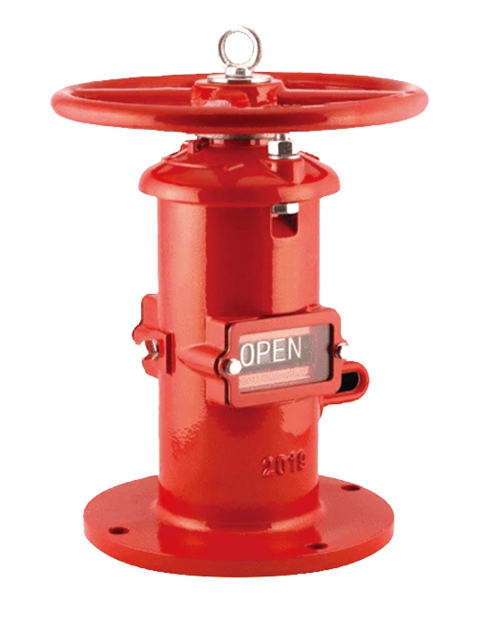
When safeguarding lives and property, it's crucial to rely on trusted components that have been rigorously tested. UL and FM approvals represent the gold standard in safety certifications, ensuring that each valve meets stringent performance criteria for fire protection systems. Opting for these approved post indicator valves gives you confidence that they will function as intended during emergencies, preventing costly failures and enhancing overall system reliability. This certification isn't just a sticker; it's a commitment to quality that translates directly into peace of mind for building owners and insurers alike.
Beyond certifications, these valves offer practical advantages in day-to-day operations. Their post indicator design allows quick visual confirmation of open or closed positions, reducing human error during inspections and maintenance. This clarity is vital in high-stakes environments where seconds count, helping responders act decisively. Additionally, their durable construction withstands harsh conditions, from extreme temperatures to corrosive environments, ensuring long-term performance without frequent replacements. This combination of visibility and durability sets them apart from standard valves, making them a smart investment for any serious protection strategy.
Choosing UL FM approved valves also streamlines compliance with industry regulations, often speeding up approval processes for new installations or upgrades. Many jurisdictions mandate such certifications, so using these valves can avoid delays and penalties. Moreover, their proven track record in real-world applications across various sectors—from manufacturing plants to commercial complexes—demonstrates their versatility and dependability. By integrating these valves into your system, you're not just meeting minimum standards; you're elevating your protection to a level that prioritizes safety above all else, fostering trust among stakeholders and reinforcing your reputation for responsible management.
Essential Features of PIV Valves That Enhance Fire Suppression Systems
When it comes to fire suppression systems, one of the key components that often goes underappreciated is the PIV valve. These valves play a critical role in regulating water flow and pressure, ensuring that fire sprinklers and hydrants deliver water effectively during emergencies. By maintaining consistent pressure, PIV valves help prevent leaks and ensure rapid response times when every second counts. Their robust design and reliable operation make them a backbone of modern fire safety infrastructure, quietly working behind the scenes to protect lives and property.
Beyond basic functionality, advanced PIV valves incorporate features like tamper-proof mechanisms and automated pressure adjustments, which significantly boost system efficiency. For instance, some models include sensors that monitor flow rates and adjust in real-time to compensate for fluctuations, reducing the risk of water hammer or inadequate pressure during a fire event. This adaptability not only enhances safety but also extends the lifespan of the overall suppression system, saving on maintenance costs and downtime. In high-risk environments, such as industrial plants or tall buildings, these smart features can be the difference between a minor incident and a catastrophic loss.
Finally, innovations in PIV valve technology are driving new standards in fire safety. Modern valves often feature corrosion-resistant materials and simplified installation processes, making them easier to integrate into both new and retrofit projects. By focusing on durability and user-friendly design, manufacturers are ensuring that these valves remain reliable over decades of use. As fire codes evolve and demand for high-performance systems grows, PIV valves continue to set the bar for reliability and innovation in fire suppression, proving that even small components can have a massive impact on overall safety outcomes.
Installation and Maintenance Tips for Optimal PIV Valve Performance
Getting your PIV (Pressure Independent Valve) up and running smoothly starts with proper setup. First, ensure the valve is correctly oriented according to arrow markings—it's a simple but common slip-up. Check those connections for tightness; a loose joint here can lead to pesky leaks down the line. Don't forget to flush the system to clear out debris before final installation—it's easy to skip, but gunk buildup can throw off performance fast.
Regular upkeep keeps your PIV humming along. Every few months, give the valve a visual once-over for wear or corrosion, and test the actuator response to confirm it's adjusting pressure as expected. If there's a flow meter attached, calibrate it annually—this small step can save you big headaches from inaccurate readings. Keep an ear out for unusual noises too; a quiet valve is a happy one.
Optimizing performance isn't just about fixes—it's about smart habits. Monitor system trends and tweak settings proactively rather than reacting to failures. Train your team to spot early warning signs like fluctuating pressures—they're often clues to bigger issues. A well-handled PIV isn't just efficient; it's a reliable workhorse that cuts energy use and downtime in the long run.
How PIV Valves Integrate Seamlessly into Modern Fire Protection Solutions
Post Indicator Valves (PIVs) are an innovation that has redefined the way fire suppression systems operate in contemporary buildings. Instead of being a mere component, these valves act as the central hub for controlling water flow, ensuring that during emergencies, firefighters can quickly access and manage the supply. What makes PIVs truly seamless is their smart integration with digital monitoring systems. For example, in a high-rise office complex, sensors connected to the PIV can relay real-time data to building management dashboards, alerting staff to any pressure drops or potential blockages before they escalate into critical issues. This proactive approach not only enhances safety but also reduces maintenance downtime by pinpointing problems early, allowing for swift interventions without disrupting daily operations.
The design of PIV valves has evolved to complement modern architectural aesthetics and functional demands. Unlike older, bulky models that were often hidden or cumbersome, today's PIVs feature sleek, corrosion-resistant materials and modular configurations. This allows them to be installed in visible yet unobtrusive locations, such as near building entrances or in utility rooms, where they serve as both a safety tool and a compliance marker. In settings like data centers or hospitals, where space is at a premium, the compact and customizable nature of these valves means they can fit into tight corners without sacrificing accessibility. This integration is further enhanced by features like tamper-proof indicators and color-coded handles, which provide clear visual cues to maintenance teams and inspectors, streamlining routine checks and ensuring the system remains ready for action 24/7.
Moreover, PIV valves foster a holistic approach to fire protection by collaborating with other advanced technologies. In smart buildings, they often interface with automated sprinkler systems, smoke detectors, and even AI-driven analytics platforms. This synergy creates a responsive network that can adapt to changing conditions, such as adjusting water pressure based on the fire's size or location detected by thermal imaging. For instance, in a manufacturing plant, if a minor flare-up occurs in a specific zone, the PIV can be programmed to isolate that area's supply, preventing water damage to unaffected sections while containing the threat. This level of integration not only boosts efficiency but also aligns with sustainability goals by minimizing resource waste, making PIV valves a cornerstone of modern, resilient fire safety strategies that prioritize both human lives and environmental responsibility.
Real-World Applications and Benefits of Using Approved Post Indicator Valves
In industrial settings, approved post indicator valves are crucial for fire protection systems, offering clear visual confirmation of water flow status. These valves are commonly found in large buildings, manufacturing plants, and warehouses, where quick access to water supply control can prevent catastrophic damage during emergencies. By providing an easily readable indicator, they enable maintenance personnel and firefighters to verify that water is available for sprinklers or hoses, enhancing safety protocols and ensuring rapid response times in critical situations.
Beyond fire safety, the benefits of using approved post indicator valves extend to operational efficiency and regulatory compliance. They help reduce downtime by allowing for swift inspections and adjustments without disrupting entire systems, which is especially valuable in high-risk environments like chemical facilities or data centers. Moreover, these valves often meet stringent industry standards, such as those from NFPA or UL, ensuring reliability and minimizing liability risks for property owners. This combination of practical functionality and adherence to codes makes them a trusted component in modern infrastructure projects.
Another significant application is in public spaces, such as airports or shopping malls, where post indicator valves integrate seamlessly into broader safety networks. Their durable design and straightforward operation contribute to long-term cost savings by reducing maintenance needs and potential water damage from undetected leaks. In essence, by choosing approved valves, organizations not only safeguard assets but also build resilience into their emergency preparedness plans, fostering a safer environment for both employees and the public.
FAQ
A PIV Post Indicator Valve is a critical component in fire sprinkler systems, providing a visible indication of whether the valve is open or closed, essential for ensuring water availability during emergencies.
UL and FM approvals signify that the PIV valve has undergone rigorous testing for safety and performance, guaranteeing it meets industry standards for fire protection reliability and durability.
Important features include corrosion-resistant materials, easy-to-read indicators, durable construction, and compliance with local fire codes to ensure long-term effectiveness in harsh environments.
They offer direct visual confirmation of valve status, reducing human error during inspections and maintenance, which is vital for quick response in fire scenarios and system integrity.
Yes, many manufacturers offer customizable options, including different sizes, materials, and indicator designs, to suit varying layouts and risk levels in diverse structures.
Regular inspections, typically quarterly or as per NFPA guidelines, along with annual testing, are recommended to check for leaks, corrosion, and proper indicator functionality.
Challenges include aligning with existing piping, ensuring proper drainage, and meeting code requirements; solutions involve careful planning, professional installation, and using adjustable models.
They work seamlessly with sprinkler heads, alarms, and control panels, providing a centralized visual check that supports overall system coordination and rapid emergency response.
Conclusion
PIV Post Indicator Valves (PIV), certified UL FM Approved, represent a critical component in advanced fire safety systems, serving as a reliable asset for modern protection solutions. These valves are designed to enhance fire suppression by providing clear visual indicators of valve status, ensuring quick identification during emergencies. The UL FM approval underscores their compliance with rigorous safety standards, offering peace of mind through dependable performance in high-risk environments. Features such as durability, corrosion resistance, and ease of operation contribute to seamless integration into various fire protection setups, from commercial buildings to industrial facilities. By choosing approved PIV valves, users benefit from reduced downtime, lower maintenance costs, and increased system longevity, making them an essential choice for robust fire safety infrastructure.
In practical applications, PIV valves excel by facilitating efficient installation and straightforward maintenance, which optimizes overall performance and reliability. They fit seamlessly into contemporary fire protection designs, supporting automation and real-time monitoring capabilities that align with modern safety demands. The real-world benefits include enhanced operational safety, reduced risk of failure during critical incidents, and compliance with regulatory requirements, all while offering cost-effective solutions. Regular upkeep and proper installation tips further ensure these valves remain functional over time, safeguarding assets and lives. Ultimately, UL FM Approved PIV Post Indicator Valves stand out as a versatile and indispensable tool in the fire protection industry, delivering consistent protection and innovative features that address evolving safety challenges.
Contact Us
Contact Person: George
Email: [email protected]
Tel/WhatsApp: 13863633883
Website: https://www.es-fire.com